Backlink Monitoring: Track, Protect & Recover Your SEO Links
Backlink monitoring helps you protect the links you worked hard to build. Many website owners focus only on getting backlinks. Very few track what happens after placement. That is where rankings slowly start dropping.
Links get removed more often than people think. A guest post may disappear after a site redesign. A dofollow link can switch to nofollow. Sometimes pages get deindexed without warning. In other cases, site owners quietly replace your link with another sponsor.
This happens across SaaS, affiliate, local SEO, and agency campaigns. If you build links regularly, monitoring them becomes part of protecting your SEO investment.
Good backlink monitoring helps you:
- Detect lost backlinks early
- Track dofollow and nofollow changes
- Monitor anchor text edits
- Find broken referring pages
- Catch deindexed placements
- Measure link building ROI
- Protect keyword rankings
Most SEO teams discover link losses too late. Traffic drops first. Rankings fall later. Then they realize important referring domains disappeared weeks ago.
That is why experienced link builders monitor backlinks weekly, not yearly. The process is not complicated either. You only need the right tracking system, clear reporting, and consistent checks.
What Is Backlink Monitoring?
Backlink monitoring means tracking the status and quality of links pointing to your website. It helps you see whether your backlinks still exist, pass authority, and remain indexed in Google.
A backlink is not always permanent. Many links change over time. Some get deleted completely. Others lose SEO value quietly. That is why backlink monitoring matters after every link building campaign.
What Backlink Monitoring Checks
A proper backlink monitoring setup tracks several things together.
Link Status
This shows whether the backlink is:
- Live
- Lost
- Broken
- Redirected
If a referring page returns a 404 error, the backlink loses value immediately.
Dofollow vs Nofollow
Some websites change links from dofollow to nofollow later. This usually happens after content edits, sponsored updates, or plugin changes.
If you never monitor backlinks, you may not notice the change for months.
Anchor Text Changes
Anchor text affects keyword relevance.
A branded anchor changing into “click here” weakens topical signals. Exact match anchors may also disappear during content refreshes.
Indexed Status
A backlink only helps SEO if Google can index the page.
Sometimes the link still exists, but the page itself disappears from Google’s index. That makes the backlink far less useful.
Referring Domains
Monitoring tools also track:
- Domain Authority
- Domain Rating
- Trust Flow
- Spam signals
- Referring IPs
This helps identify risky or low-quality backlinks.
Why Backlink Monitoring Matters for SEO
Many businesses spend thousands on guest posts, niche edits, and PR placements. Without monitoring, part of that investment slowly disappears.
Here is a common example.
An agency builds 50 guest post links for a SaaS client. Six months later, 11 links are gone. Three pages become noindexed. Four links switch to sponsored tags.
The client still thinks all 50 links exist. This happens more often than most SEO reports show.
Regular backlink monitoring helps you:
- Protect rankings
- Maintain link equity
- Recover removed backlinks
- Detect negative SEO
- Audit toxic links
- Improve campaign reporting
- Track long-term SEO growth
For agencies, it also prevents client disputes later. When you can show live backlink reports, clients trust the work more.
Why Backlinks Get Lost or Changed
Most backlinks do not stay untouched forever.
Even high-authority websites remove or change links over time. That is why backlink monitoring matters long after link placement.
Website Owners Update Old Content
Many publishers refresh old articles regularly.
During updates, they may:
- Remove external links
- Replace sponsors
- Shorten content
- Add competitor references
This is common with SaaS blogs and affiliate sites. A link built last year may disappear during a simple content cleanup.
Pages Become 404 or Deindexed
Some backlinks still exist technically, but the referring page stops working.
The page may:
- Return a 404 error
- Redirect elsewhere
- Become noindexed
- Get removed from Google completely
In these cases, the backlink loses most of its SEO value. This issue appears often on expired blogs and low-maintenance websites.
Dofollow Links Turn Nofollow
This happens more than many site owners realize.
A publisher may change all outbound links to:
- Nofollow
- Sponsored
- UGC
Sometimes plugins do this automatically after updates.
If you never monitor backlinks, you may think your strongest links still pass authority when they no longer do.
Content Changes Affect Anchor Text
Anchor text often changes during article edits.
For example:
A contextual anchor like “white hat link building services” may later become:
- brand name
- homepage URL
- generic anchor text
This weakens keyword relevance signals. Monitoring anchor text helps you catch these changes early.
Paid Placements Expire Quietly
Some websites remove sponsored links after a few months. Others keep the article live but delete outbound links silently.
This happens often with:
- Guest posts
- Niche edits
- Link insertions
- Sponsored articles
Many agencies only discover this during client audits.
Competitor Replacements Happen
Some publishers replace old sponsors with newer buyers. Your link disappears, and another brand takes the placement.
This is common on websites selling large numbers of paid links. Regular backlink monitoring helps detect these replacements before rankings drop.
Negative SEO and Spam Issues
Spam backlinks can also appear without your involvement.
These links may come from:
- Scraped websites
- Auto-generated blogs
- Toxic directories
- Foreign-language spam pages
Monitoring your backlink profile helps identify unusual patterns early. This makes backlink audits easier later.
What You Should Monitor in Backlinks
Many people only track whether a backlink exists. That is not enough anymore.
A backlink can stay live while losing most of its SEO value. Good backlink monitoring checks several signals together.
Link Status
Start with the basic status of every backlink.
Your monitoring tool should detect whether the link is:
- Active
- Lost
- Broken
- Redirected
- Removed
A live backlink from a broken page still creates problems. That is why experienced SEO teams monitor both the link and the referring URL.
Dofollow and Nofollow Attributes
The link attribute matters more than many beginners realize. A dofollow backlink passes authority signals. A nofollow or sponsored link usually passes less value.
Track changes like:
- rel=”nofollow”
- rel=”sponsored”
- rel=”ugc”
These updates often happen silently after content edits.
Anchor Text Distribution
Anchor text affects topical relevance and keyword associations. Monitor whether anchors stay natural over time.
A healthy backlink profile usually contains:
- Branded anchors
- Partial match anchors
- Generic anchors
- Naked URLs
Too many exact match anchors can create risk signals. At the same time, losing keyword-rich anchors may reduce rankings.
Referring Domain Quality
Not all backlinks help SEO equally. A link from a trusted, relevant website carries more value than dozens of low-quality placements.
Monitor metrics such as:
- Domain Rating
- Domain Authority
- Trust Flow
- Organic traffic
- Spam indicators
- Topical relevance
This helps separate valuable links from weak ones.
Indexed Status
This is one of the most ignored backlink checks. If Google deindexes the referring page, the backlink loses much of its SEO impact.
Always verify whether:
- The page remains indexed
- The page still ranks
- Google can crawl the URL
Some backlink monitoring tools skip this completely.
Link Placement Changes
Placement affects visibility and authority. A contextual backlink inside content usually performs better than footer or sidebar links.
Track whether your link moves to:
- Footer sections
- Author bios
- Hidden blocks
- Archived pages
These changes reduce backlink value over time.
Link Relevance
Topical relevance matters more after recent Google updates.
For example, a SaaS company benefits more from:
- Marketing blogs
- Tech publications
- Productivity websites
A random casino or coupon backlink weakens profile quality instead. This is why backlink monitoring should include relevance reviews, not just link counts.
Toxic and Spam Signals
Some backlinks create risk instead of authority.
Watch for:
- Spam domains
- Foreign language spam
- AI-generated junk sites
- Sitewide links
- Malware pages
- Link farms
If harmful links grow aggressively, review whether a disavow file becomes necessary.
A Practical Monitoring Setup
Many agencies now use a layered system instead of one tool.
For example:
- Ahrefs for backlink discovery
- Linkody for alerts
- Google Search Console for verification
- Sheets or dashboards for client reporting
This gives more reliable backlink tracking long term.
Best Backlink Monitoring Tools
The right tool depends on how you build backlinks. A solo blogger does not need the same setup as a SaaS agency managing hundreds of placements.
Some tools focus on backlink discovery. Others focus on monitoring link changes and alerts.
Here are the tools SEO teams use most often.
Ahrefs
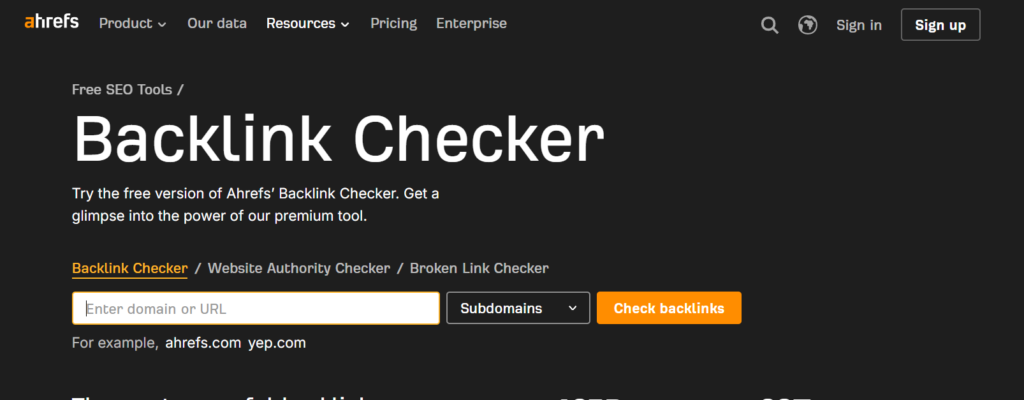
Ahrefs is one of the largest backlink databases available today.
It is widely used for:
- New backlink discovery
- Lost backlink tracking
- Referring domain analysis
- Anchor text reports
- Competitor backlink analysis
The biggest advantage is database depth.
Ahrefs often finds backlinks faster than smaller monitoring tools.
Its “Lost Backlinks” report is especially useful after outreach campaigns.
A common workflow looks like this:
- Build links
- Verify indexing
- Track link stability weekly
- Recover removed placements quickly
The downside is pricing.
Smaller businesses may find it expensive purely for backlink monitoring.
Semrush
Semrush works well for teams managing SEO and PPC together.
Its backlink monitoring features include:
- Toxicity analysis
- Referring domain tracking
- Competitor comparison
- Authority Score metrics
- Link audit reports
Semrush is useful when monitoring backlink health alongside technical SEO.
Agencies often use it for client reporting because dashboards are easier for non-SEOs to understand.
The backlink database is strong, though many link builders still prefer Ahrefs for discovery speed.
Linkody
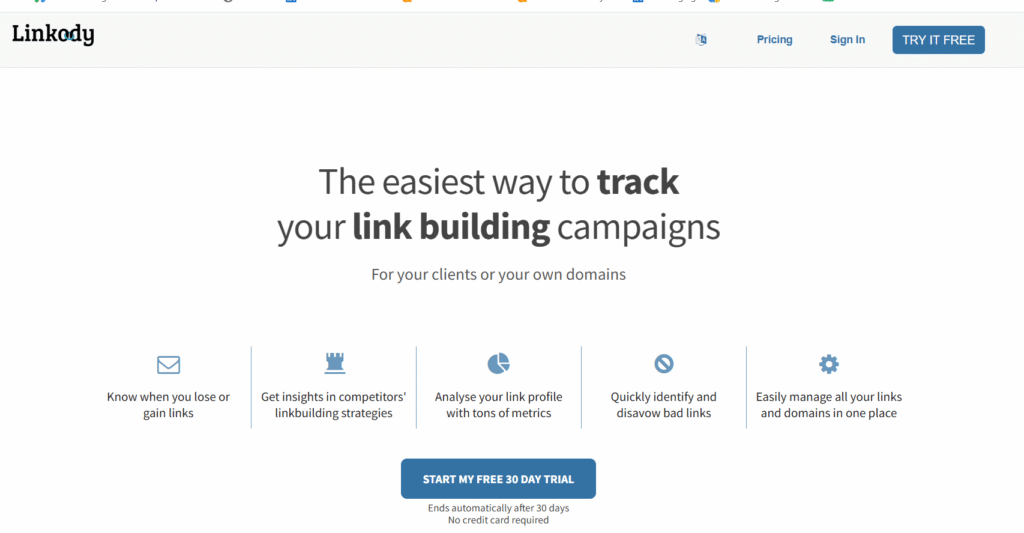
Linkody focuses heavily on backlink monitoring instead of broader SEO features. That makes it simpler for many users.
Useful features include:
- Daily backlink checks
- Email alerts
- Link status monitoring
- Dofollow vs nofollow tracking
- White-label reports
It is popular among agencies handling guest posts and niche edits. The interface is cleaner than many enterprise SEO tools.
Moz Link Explorer
Moz remains popular because of Domain Authority.
Its Link Explorer helps monitor:
- Domain Authority
- Spam Score
- Linking domains
- Anchor text
- Top pages
Moz is beginner-friendly compared to some advanced SEO platforms. Many businesses still use DA metrics during outreach qualification.
Majestic
Majestic focuses almost entirely on backlink intelligence.
Its strongest metrics are:
- Trust Flow
- Citation Flow
- Topical Trust Flow
These help evaluate backlink quality and topical relevance. Experienced SEOs often use Majestic during backlink audits rather than day-to-day monitoring. The interface feels older, but the data remains valuable.
Seobility
Seobility combines backlink monitoring with technical SEO auditing.
It tracks:
- Lost backlinks
- Broken backlinks
- Referring pages
- Link attributes
- SEO health issues
This works well for smaller businesses wanting one dashboard for multiple SEO tasks.
Backlink Monitor
Backlink Monitor focuses on simple monitoring and alerts.
It helps detect:
- Removed links
- Changed anchors
- Dofollow changes
- Page status updates
The tool is easier for beginners compared to enterprise SEO suites.
SE Ranking
SE Ranking has become popular with agencies that want backlink monitoring without enterprise pricing.
Its backlink tracker monitors:
- New and lost backlinks
- Anchor text changes
- Dofollow status
- Referring domain quality
- Indexed pages
One useful feature is historical backlink data. You can see when a backlink first appeared and when it disappeared.
This helps during client reporting and link replacement campaigns. The dashboard is also easier for beginners compared to Ahrefs or Majestic.
SiteGuru
SiteGuru focuses on simplicity.
The platform combines technical SEO checks with backlink monitoring features.
It helps track:
- Referring domains
- Broken backlinks
- SEO issues affecting linked pages
- Internal page health
SiteGuru works well for small businesses and website owners who do not want complicated SEO dashboards.
The reports are clean and easy to understand.
Backlink Pilot
Backlink Pilot focuses on backlink management and monitoring for agencies and outreach teams.
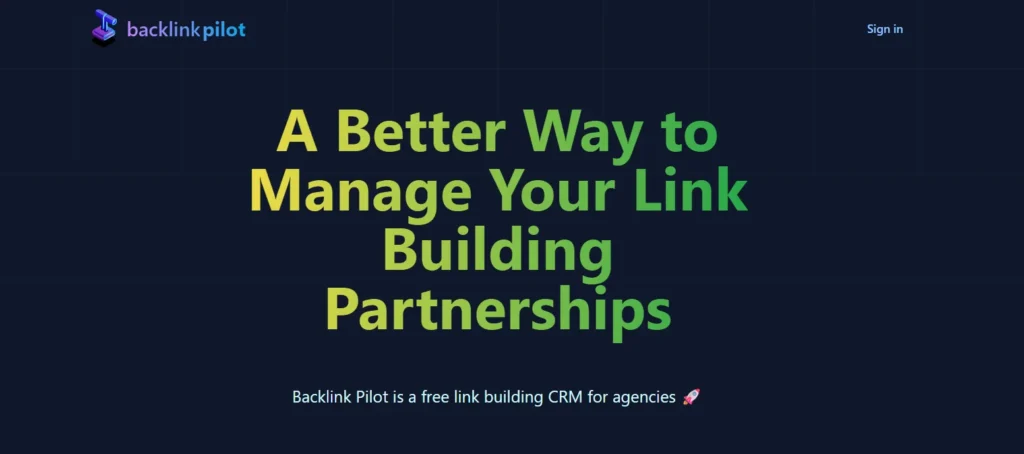
The platform helps track:
- Live backlink status
- Link placements
- Dofollow and nofollow attributes
- Publisher details
- Outreach progress
- Link approval workflows
One useful feature is centralized backlink management.
Instead of tracking links manually in spreadsheets, teams can organize placements inside one dashboard.
This becomes helpful when managing hundreds of guest posts across different clients.
Google Search Console
Google Search Console is still one of the most important backlink verification tools.
It helps confirm:
- Indexed backlinks
- Linking pages
- Top linked pages
- Referring domains
The backlink database is smaller than Ahrefs or Semrush. Still, the data comes directly from Google. That makes it valuable for validating backlinks discovered elsewhere.
Most experienced SEO teams use Search Console alongside third-party tools.
Linkio
Linkio is mainly known for anchor text planning and link building management. It also helps teams organize and monitor backlink campaigns more effectively.
Useful features include:
- Anchor text tracking
- Link placement management
- Campaign organization
- Outreach tracking
- Backlink segmentation
Linkio works well for agencies focused on maintaining natural anchor text distribution.
This becomes important when monitoring exact match anchors across large SEO campaigns.
Instead of only counting backlinks, the platform helps teams maintain a healthier link profile long term.
Which Tool Is Best?
There is no single “best” backlink monitoring tool for every situation. Most experienced SEO teams combine tools instead.
For example:
- Ahrefs for backlink discovery
- Linkody for monitoring alerts
- Google Search Console for verification
- Majestic for trust analysis
That setup catches more issues than relying on one platform alone.
The best approach depends on:
- Your budget
- Link volume
- Reporting needs
- Team size
- SEO experience
- Campaign type
A local business may only need basic monitoring.
A SaaS agency managing hundreds of links needs deeper reporting and automation.
Free vs Paid Backlink Monitoring Tools
Free backlink monitoring tools work for basic checks.
Paid tools work better once your backlink profile starts growing.
The right choice depends on how many links you manage and how important rankings are to your business.
What Free Backlink Monitoring Tools Can Do
Free tools help with simple backlink verification.
Most allow you to:
- Check whether backlinks exist
- View referring domains
- Monitor a limited number of links
- Detect some lost backlinks
- Export small reports
Google Search Console is the most useful free option.
It shows backlinks Google actually recognizes.
Some tools also offer limited free plans with daily checks and email alerts.
For small blogs or local websites, that may be enough initially.
Where Free Tools Start Struggling
The limitations appear once campaigns scale.
Most free backlink monitoring tools restrict:
- Number of tracked backlinks
- Historical data
- Alert frequency
- Competitor tracking
- Reporting features
- Link quality metrics
Many also update backlink data slowly. That delay matters during active SEO campaigns.
For example, if a high-authority guest post disappears today, you may not discover it for weeks using basic free monitoring.
Why Agencies Usually Use Paid Tools
Agencies manage dozens or hundreds of placements monthly. Manual backlink checks become unrealistic very quickly.
Paid tools help automate:
- Lost backlink alerts
- Dofollow status monitoring
- Anchor text tracking
- Toxic backlink detection
- Client reporting
- Competitor backlink analysis
This saves hours every week. More importantly, it reduces reporting mistakes.
The Biggest Difference Is Speed
Most businesses underestimate how quickly backlinks change. A paid monitoring setup catches issues faster.
For example:
- A backlink becomes nofollow
- A referring page gets deindexed
- A sponsored post disappears
- A redirect breaks the placement
Fast alerts help recover links before rankings drop.
A Practical Setup for Smaller Businesses
You do not always need expensive enterprise tools. A balanced setup often works better.
Many smaller SEO teams use:
- Google Search Console for verification
- Ahrefs Webmaster Tools for basic checks
- Linkody or SE Ranking for monitoring alerts
This keeps costs manageable while still protecting important backlinks.
When Paid Backlink Monitoring Becomes Necessary
Paid tools usually become worth it when:
- You actively build backlinks monthly
- SEO drives business revenue
- You manage client campaigns
- You rely on guest posting
- You monitor competitors regularly
- You need white-label reporting
At that point, backlink monitoring becomes less about convenience and more about protecting SEO performance.
How to Monitor Backlinks Effectively
Many websites collect backlink data but never use it properly. Good backlink monitoring is not just checking reports once a month.
It requires a repeatable process. The goal is simple, detect problems early before rankings drop.
Add Every Built Link to Tracking
Do not rely only on automatic backlink discovery. Some tools find backlinks slowly, especially on smaller websites.
Track important placements manually after they go live.
This includes:
- Guest posts
- Niche edits
- PR placements
- Resource page links
- SaaS partnerships
- Link exchanges
Maintain a master tracking sheet even if you use monitoring software. Experienced agencies still do this because tools occasionally miss links.
Set Automated Backlink Alerts
Manual checking wastes time once campaigns grow.
Enable alerts for:
- Lost backlinks
- Nofollow changes
- Redirect issues
- Deindexed pages
- Anchor text edits
Weekly alerts usually work best. Daily notifications become noisy for large backlink profiles.
Check Lost Backlinks Weekly
Many businesses discover link losses months later. By then, recovery becomes harder.
Review lost backlinks every week and identify:
- Why the link disappeared
- Whether the page still exists
- Whether outreach can recover it
- Whether replacement links are needed
Fast recovery protects rankings better.
Monitor Anchor Text Distribution
Anchor text patterns matter more after recent Google updates. An unnatural profile creates risk signals.
Track whether your backlink profile contains a healthy mix of:
- Branded anchors
- Partial match anchors
- Generic anchors
- Naked URLs
Avoid building too many exact match anchors aggressively. This becomes especially important in competitive SaaS and affiliate niches.
Verify Indexation Status
A backlink from a non-indexed page carries limited SEO value.
Always confirm:
- The referring page is indexed
- Google can crawl the page
- The backlink remains visible in source code
Some pages appear live but quietly disappear from Google’s index. This issue is common on expired sponsored content.
Watch Referring Domain Quality
Not every backlink should stay forever.
Monitor whether referring websites become:
- Spam-heavy
- AI-generated
- Irrelevant
- Deindexed
- Part of obvious link farms
Sometimes removing or disavowing harmful links improves profile quality.
Track Competitor Backlinks
Competitor monitoring reveals link opportunities faster.
Watch where competitors earn:
- Guest posts
- Tool mentions
- Resource links
- PR coverage
- SaaS integrations
This helps discover websites already linking within your niche. Those sites are often easier to pitch later.
Keep Historical Backlink Records
Historical data becomes useful during traffic drops.
Track:
- Link acquisition dates
- Lost backlink dates
- Anchor text changes
- Referring domain metrics
- Ranking movements
This helps connect ranking changes with backlink events more accurately.
A Real-World Agency Workflow
Many link building agencies follow a layered process:
- Build and verify backlinks
- Add placements into tracking software
- Monitor weekly for changes
- Recover removed links quickly
- Replace lost authority when needed
- Report live links to clients monthly
This approach prevents backlink decay from silently hurting SEO campaigns.
How to Recover Lost Backlinks
Lost backlinks are normal in SEO. Even strong links disappear over time. The important part is finding losses early and deciding whether the link is worth recovering. Not every backlink deserves recovery effort.
Focus first on links with:
- Strong referring domains
- Relevant traffic
- High authority pages
- Valuable anchor text
- Rankings impact
Find Out Why the Link Was Lost
Do not send outreach emails immediately. First identify what actually happened.
Common reasons include:
- The page was deleted
- Content was updated
- The website changed ownership
- The backlink became nofollow
- The page was deindexed
- The URL structure changed
- The site removed outbound links
Understanding the reason saves time during recovery.
Check Whether the Referring Page Still Exists
Sometimes the backlink disappears because the page itself broke.
Verify whether the referring URL:
- Returns a 200 status code
- Redirects properly
- Remains indexed
- Still contains related content
If the page is gone permanently, recovery may not be realistic. In that case, replacing the backlink often makes more sense.
Contact the Website Owner Professionally
Many backlinks return after a simple reminder. Keep recovery outreach short and respectful. Do not sound aggressive or demanding.
A practical message usually works better:
- Mention the article title
- Mention the missing link
- Explain the issue clearly
- Suggest the correct URL
Website owners often remove links accidentally during edits.
Restore Broken Destination Pages
Sometimes the issue is on your own website.
If your target URL becomes:
- 404
- Redirected incorrectly
- Noindexed
- Moved without redirects
Publishers may remove the backlink because the page looks broken. Always maintain proper redirects during site updates.
Replace Lost Backlinks Strategically
Some backlinks are not recoverable. Instead of chasing every lost placement, replace important authority links strategically.
For example:
- Replace lost DR70 links first
- Rebuild commercial anchors carefully
- Recover high-relevance placements faster
- Prioritize pages driving rankings
This keeps your backlink profile stable long term.
Monitor Link Decay Trends
A few lost backlinks are normal. Large-scale losses are different.
If backlinks disappear too quickly, review whether:
- Link quality is weak
- Placements are temporary
- Outreach targets are unstable
- Sites are selling excessive sponsored content
This often reveals deeper campaign issues.
Watch for Toxic Replacement Links
Sometimes websites replace your backlink with spammy outbound links nearby. That weakens page quality over time.
Monitor whether formerly strong referring pages become:
- Link farms
- Casino-heavy
- AI-generated spam sites
- Overloaded with sponsored content
A backlink from a declining site loses value gradually.
Should You Disavow Lost Links?
Usually, no. Lost backlinks do not need disavowing.
Disavow files are mainly useful for toxic or manipulative backlinks that still point toward your site. Use them carefully. Most ranking drops come from weak link quality, not missing disavow files.
A Smarter Recovery Mindset
Many SEO teams waste time recovering every single lost backlink. Experienced teams focus differently.
They prioritize:
- High-authority links
- Relevant placements
- Revenue-driving pages
- Strong anchor signals
- Links affecting rankings directly
That approach produces better SEO returns over time.
Backlink Monitoring for SEO Agencies
Backlink monitoring becomes harder once multiple clients are involved.
An agency may manage hundreds of backlinks across guest posts, niche edits, PR campaigns, and link exchanges simultaneously.
Without a monitoring system, reporting quickly becomes messy.
Why Agencies Need Dedicated Backlink Monitoring
Most agencies lose backlinks without noticing immediately. This creates problems later when clients review rankings or audit live placements.
A proper monitoring workflow helps agencies:
- Verify live links
- Detect removed placements
- Monitor anchor text
- Track dofollow status
- Validate indexing
- Maintain client trust
It also prevents reporting outdated backlinks that no longer exist.
Monitor Guest Posts and Niche Edits Closely
These placements change more often than many people expect.
Publishers frequently:
- Remove sponsored links
- Update old articles
- Add nofollow attributes
- Replace outbound links
- Archive pages
That is why agencies usually monitor commercial placements weekly. High-authority links deserve closer tracking than low-impact mentions.
Use White-Label Reports for Clients
Clients rarely want raw backlink spreadsheets. They want simple proof that links remain live and valuable.
White-label backlink reports help agencies show:
- Active backlinks
- Lost backlinks
- Referring domains
- Anchor distribution
- Indexed pages
- Campaign growth
This improves transparency during monthly reporting.
Build a Centralized Tracking System
Relying only on SEO tools creates confusion later. Most experienced agencies maintain a master tracking system separately.
Typical fields include:
- Client name
- Target URL
- Referring URL
- Anchor text
- Link type
- DR or DA
- Status
- Indexation
- Placement date
This makes backlink audits easier months later.
Track Link Decay by Campaign Type
Not all backlinks disappear at the same rate.
For example:
- News placements may disappear quickly
- Guest posts usually stay longer
- Link exchanges often change later
- Sponsored placements vary heavily by publisher
Tracking decay patterns helps agencies choose better websites over time.
Monitor Competitor Backlink Growth
Agencies also use backlink monitoring for competitor intelligence.
Watching competitor backlinks helps identify:
- New outreach targets
- PR opportunities
- Resource pages
- Industry publications
- Partnership sites
This creates a stronger outreach pipeline continuously.
Avoid a Common Reporting Mistake
Many agencies report links immediately after publication. That creates problems later if placements disappear.
A better approach is:
- Verify the backlink
- Confirm indexation
- Monitor stability
- Include only validated links in reports
This produces cleaner long-term reporting.
Why Backlink Monitoring Protects Agency Reputation
Clients care less about how links were built. They care whether the backlinks still provide SEO value months later.
Agencies that monitor backlinks consistently usually retain clients longer because reporting stays accurate and transparent. That trust matters more than flashy backlink counts.
Backlink Monitoring for SaaS Companies
SaaS companies depend heavily on long-term organic traffic. A single high-ranking landing page can drive thousands of trial signups every month.
That makes backlink monitoring far more important for SaaS SEO.
SaaS Backlinks Usually Target Commercial Pages
Many SaaS campaigns build backlinks toward:
- Product pages
- Feature pages
- Integration pages
- Comparison pages
- Blog content
- Free tools
If important backlinks disappear, rankings often drop faster on commercial keywords.
That directly affects demos, signups, and revenue.
Competitor Link Velocity Changes Quickly
SaaS industries move aggressively.
Competitors constantly launch:
- Guest post campaigns
- Digital PR campaigns
- Integration partnerships
- AI tool directories
- Product reviews
Backlink monitoring helps SaaS teams track where competitors gain authority.
This reveals new outreach opportunities earlier.
Monitor Integration and Partner Links
SaaS companies often receive backlinks through integrations and partnerships.
For example:
- CRM integrations
- API partner pages
- Marketplace listings
- Affiliate pages
- SaaS ecosystems
These backlinks usually carry strong topical relevance.
Still, they frequently change after product updates or rebranding.
Regular monitoring helps preserve those partnerships.
Watch Anchor Text Aggression Carefully
SaaS SEO becomes risky when anchor text patterns look unnatural.
Many software companies overuse commercial anchors like:
- “best CRM software”
- “email automation platform”
- “AI writing tool”
A healthier backlink profile mixes:
- Branded anchors
- Product names
- Partial match anchors
- Natural citations
Backlink monitoring helps detect over-optimization before rankings become unstable.
AI Search and Brand Mentions Matter More Now
Modern SaaS SEO goes beyond traditional backlinks.
AI search systems increasingly reference:
- Brand mentions
- Product citations
- Tool roundups
- Community discussions
This makes backlink monitoring closely connected with brand visibility tracking.
A backlink disappearing from a trusted SaaS publication can reduce both SEO trust and brand exposure.
Protect High-Authority SaaS Placements
Some backlinks drive more value than dozens of smaller links combined.
Examples include:
- Industry publications
- Product review sites
- Tech media
- Founder interviews
- Comparison articles
These placements deserve priority monitoring.
Losing a contextual backlink from a trusted SaaS website can impact rankings noticeably.
Track Link Quality, Not Just Link Count
Many SaaS teams focus too much on backlink quantity.
That approach creates weak profiles over time.
A smaller number of relevant backlinks usually performs better than hundreds of low-quality placements.
Monitor:
- Topical relevance
- Organic traffic
- Referring page quality
- Anchor diversity
- Link placement
- Indexation status
Those signals matter more after recent Google updates.
A Practical SaaS Monitoring Workflow
Many SaaS SEO teams now follow a recurring process:
- Build high-relevance backlinks
- Verify live placement
- Check indexation
- Monitor monthly link health
- Replace lost authority links quickly
- Compare competitor backlink growth
This keeps rankings more stable in competitive software niches.
Common Backlink Monitoring Mistakes
Many websites lose rankings because of small monitoring mistakes.
The problem is not always link building itself.
Often, the issue comes from poor backlink maintenance after links go live.
Only Tracking Homepage Backlinks
Some businesses monitor only homepage links.
That misses important backlinks pointing toward:
- Blog posts
- Landing pages
- Product pages
- Comparison pages
- Free tools
In many SEO campaigns, deep-page backlinks drive more rankings than homepage links.
Track all important target URLs separately.
Ignoring Nofollow Changes
A backlink may still exist while passing less authority.
This happens when publishers quietly change links to:
- Nofollow
- Sponsored
- UGC
Many website owners never notice these updates.
Monitor link attributes regularly, especially on paid placements.
Forgetting Index Status
This is one of the most overlooked SEO mistakes.
A backlink from a deindexed page loses much of its value.
Always confirm whether:
- The referring page stays indexed
- Google still crawls the page
- The backlink remains visible
A live backlink does not always mean an effective backlink.
Depending on One Tool Only
No backlink tool catches everything perfectly.
One platform may miss links another tool discovers quickly.
That is why experienced SEO teams combine tools like:
- Ahrefs
- Google Search Console
- Linkody
- Semrush
- Majestic
Cross-checking data improves accuracy.
Monitoring Backlinks Too Late
Many businesses review backlinks only during monthly reporting.
That delay creates recovery problems.
If a strong backlink disappears today, waiting 30 days may already hurt rankings.
Weekly monitoring works better for active SEO campaigns.
Ignoring Referring Domain Quality
Some backlinks become harmful over time.
A previously good website may later turn into:
- A link farm
- AI-generated spam
- Casino-heavy content
- Malware-infected pages
Backlink monitoring should include quality reviews, not only link counts.
Chasing Every Lost Backlink
Not every lost backlink matters.
Recovering weak links wastes time.
Focus on backlinks that provide:
- Authority
- Relevance
- Rankings impact
- Referral traffic
- Commercial value
This creates better long-term SEO efficiency.
Overusing Exact Match Anchors
Aggressive anchor text patterns still create SEO risk.
Some websites build too many identical commercial anchors across backlinks.
That looks unnatural.
Monitor anchor diversity regularly and keep profiles balanced.
Failing to Track Historical Changes
Historical backlink data becomes valuable during ranking drops.
Without records, it becomes difficult to identify:
- When links disappeared
- Which anchors changed
- Which referring domains declined
- Which campaigns performed best
Good monitoring systems keep long-term backlink history organized.
Treating Backlink Monitoring as a One-Time Task
Backlink monitoring is ongoing work.
Links change constantly because websites change constantly.
The strongest SEO teams treat backlink monitoring as part of regular SEO maintenance, not a one-time audit.
Frequently Asked Questions
Final Thoughts
Backlink monitoring is no longer optional for serious SEO campaigns.
Building backlinks takes time, outreach effort, and budget. Losing those links quietly can weaken rankings faster than most businesses expect.
The strongest SEO teams do not just build links. They protect them.
That means tracking:
- Lost backlinks
- Dofollow changes
- Anchor text edits
- Indexed status
- Referring domain quality
- Link relevance
Small backlink problems become larger ranking problems when ignored too long.
A consistent monitoring process helps preserve authority already earned through guest posts, PR campaigns, SaaS partnerships, and content marketing.
The goal is not chasing every backlink. The goal is protecting the backlinks that actually influence rankings, traffic, and revenue. Even a simple weekly backlink monitoring routine can prevent major SEO losses later.