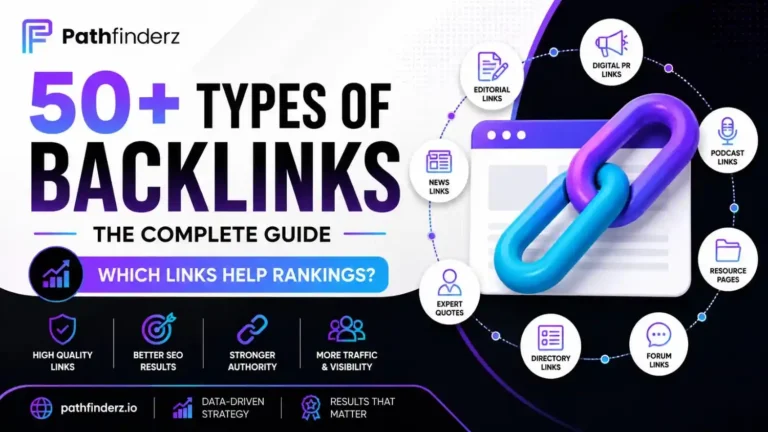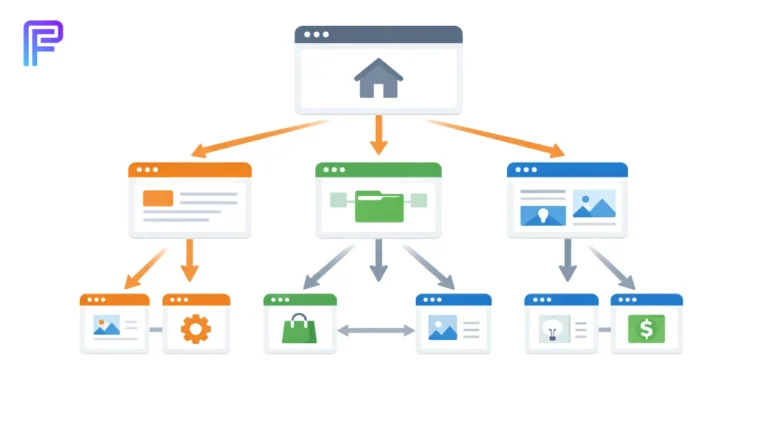
White Label Link Building Services for SEO Agencies That Want Scalable Growth
Managing link building internally becomes difficult once agency campaigns start scaling. Outreach, publisher communication, content creation, and reporting require significant time and resources. That is why many agencies now use white label link building services to handle fulfillment more efficiently.
A reliable white label SEO partner helps agencies secure high-authority backlinks through manual outreach, guest posting, editorial placements, and contextual link acquisition. This allows agencies to focus more on strategy, client growth, and retention instead of managing daily outreach operations.
Modern SEO campaigns require backlinks that provide:
- Real organic traffic
- Topical relevance
- Editorial quality
- Strong trust signals
- Natural anchor text distribution
AI-driven search and entity-based SEO also changed how authority works online. Today, backlinks help strengthen brand trust, semantic relevance, and search visibility across both traditional search results and AI-generated answers.
Agencies that use scalable outreach systems usually improve:
- Long-term SEO growth
- Campaign fulfillment
- Client retention
- Operational efficiency
- Organic rankings
What Is White Label Link Building?
White label link building is a fulfillment model where one company builds backlinks for another agency’s clients. The agency presents the work under its own branding while the fulfillment partner handles outreach, placements, and reporting behind the scenes.
This model became popular because link acquisition requires specialized skills, strong publisher relationships, and large operational systems. Many agencies can manage technical SEO, content strategy, or local SEO internally, but consistent outreach campaigns often become difficult to scale.
A white label fulfillment process usually includes:
- Link prospecting
- Publisher outreach
- Content creation
- Guest posting
- Editorial placements
- Backlink monitoring
- Campaign reporting
The agency stays client-facing while the fulfillment team handles execution.
How White Label Link Building Services Work

The process normally starts with a backlink audit and competitor analysis. Outreach specialists review the client’s backlink profile, authority gaps, and ranking opportunities before building a strategy.
After planning, the fulfillment team begins:
- Prospecting relevant publishers
- Filtering low-quality websites
- Negotiating placements
- Creating contextual content
- Building niche relevant backlinks
- Monitoring indexing and live links
Most agencies also receive white label reports that can be shared directly with clients.
Difference Between White Label SEO and Traditional Link Building
Traditional link building usually serves one business directly. White label fulfillment works differently because agencies manage multiple clients across different industries.
A scalable fulfillment partner needs systems for:
- Multi-client workflows
- Approval pipelines
- Communication management
- Reporting dashboards
- Outreach tracking
- Quality assurance
This operational structure is what separates serious providers from basic backlink sellers.
Who Commonly Uses White Label Link Building
Many industries now rely on outsourced outreach systems. The reason is that link acquisition became highly competitive.
Common users include:
- SEO agencies
- Digital marketing agencies
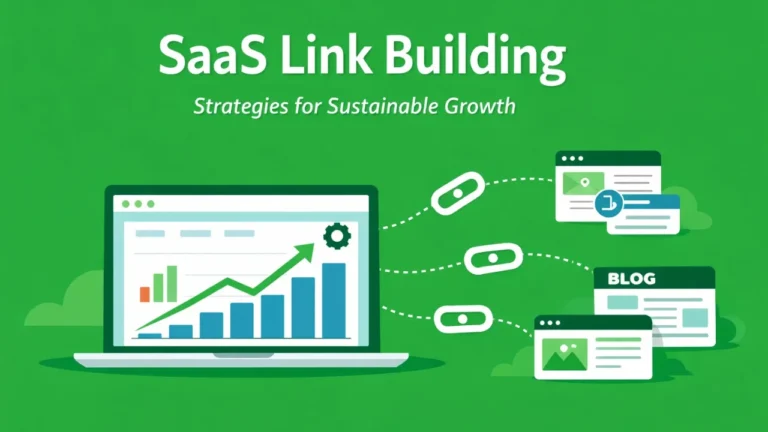
- SaaS SEO providers
- Ecommerce SEO teams
- Local SEO companies
- Enterprise SEO agencies
- Content marketing firms
Agencies often start outsourcing when internal teams can no longer manage outreach efficiently without slowing campaign delivery.
Why The Demand Keeps Growing
Search engines continue rewarding authority signals, topical relevance, and trusted editorial mentions. As competition increases, businesses need stronger backlink profiles to maintain visibility.
At the same time, outreach became more difficult because:
- Publishers receive more pitches daily
- Spam outreach increased heavily
- Editorial standards became stricter
- AI-generated outreach reduced trust
- High-authority placements require relationship building
This is why experienced outreach specialists and established publisher networks now play a major role in scalable SEO growth.
Why SEO Agencies Use White Label Link Building Services
Many agencies reach a stage where outreach becomes harder to manage internally. Client campaigns grow, deadlines increase, and fulfillment quality starts slipping without proper systems.
This is where white label link building helps agencies scale without building large internal outreach departments.
Scaling Campaigns Without Hiring Large Teams
Hiring outreach specialists internally takes significant time and resources. Agencies must manage recruitment, training, outreach systems, publisher databases, and reporting workflows simultaneously.
A fulfillment partner already has these systems operating.
Instead of expanding internal overhead, agencies can immediately access:
- Outreach specialists
- Content writers
- Prospecting systems
- Publisher relationships
- Reporting workflows
- Quality assurance teams
This reduces operational pressure while improving campaign delivery speed.
Better Focus on Core Agency Services
Many agencies perform better when they focus on strategy and client communication instead of handling every operational task internally.
Outsourcing outreach allows agencies to spend more time on:
- Technical SEO
- Content strategy
- Conversion optimization
- Client acquisition
- Account management
- SEO reporting
This creates a more scalable business model overall.
Access to Established Publisher Networks
Building relationships with real publishers takes years. Strong placements usually come from trusted outreach relationships, not mass email blasts.
Experienced fulfillment teams already maintain relationships with:
- Industry blogs
- SaaS publications
- Editorial websites
- Local publications
- Authority publishers
- Niche-specific websites
This increases placement success rates while improving backlink quality.
Faster Delivery and Campaign Execution
Internal outreach teams often struggle when campaigns suddenly increase. Prospecting, outreach management, negotiations, and content approvals slow down quickly without established workflows.
A structured fulfillment system improves:
- Campaign turnaround times
- Link acquisition consistency
- Reporting speed
- Communication efficiency
- Workflow organization
This becomes especially important for agencies handling multiple SEO retainers simultaneously.
Better Client Retention Through Stronger SEO Results
Clients rarely care how backlinks are acquired. They focus on rankings, traffic growth, and authority improvements.
Consistent authority backlinks help agencies improve:
- Organic rankings
- Search visibility
- Topical authority
- Brand trust
- Organic traffic growth
Better SEO performance usually leads to stronger client retention and higher long-term revenue.
Easier Scalability for Growing Agencies
Many agencies lose growth opportunities because fulfillment capacity becomes limited. Accepting more clients becomes risky without scalable systems.
A strong white label fulfillment partner allows agencies to:
- Take larger SEO contracts
- Manage more campaigns
- Expand into new industries
- Increase monthly retainers
- Scale outreach safely
This flexibility becomes valuable during rapid agency growth phases.
The Biggest Problems Agencies Face With Link Building
Link building looks simple from the outside. In reality, most agencies struggle with fulfillment consistency, outreach quality, and scalable operations.
The problem becomes bigger once multiple client campaigns run simultaneously.
Time-Consuming Outreach and Prospecting
Finding quality publishers takes far longer than most agencies expect. Outreach specialists must review websites carefully before sending pitches.
The process often includes:
- Traffic validation
- Spam checks
- Content quality reviews
- Outbound link analysis
- Niche relevance checks
- Contact research
After prospecting, outreach management becomes another major workload. Publishers respond at different times, pricing changes frequently, and negotiations require constant follow-ups.
Without proper systems, campaigns slow down quickly.
Low-Quality Backlinks Hurting SEO Performance
Many agencies get trapped by cheap backlink packages promising unrealistic results. These links often come from manipulated websites with little real authority.
Common risks include:
- PBN networks
- Link farms
- Spam directories
- Fake DR websites
- Automated outreach spam
- Low-quality guest posts
These backlinks rarely improve rankings long-term. In many cases, search engines simply ignore them.
Poor-quality placements can also damage client trust when campaigns fail to produce meaningful growth.
Inconsistent Reporting and Communication
Many fulfillment providers focus only on link quantity while ignoring operational transparency.
Agencies often experience problems like:
- Delayed updates
- Missing reports
- Poor communication
- Unclear workflows
- Weak quality control
- Untracked placements
This creates friction between agencies and clients because campaign visibility becomes limited.
Reliable reporting systems matter heavily for long-term partnerships.
Difficulty Scaling Without Losing Quality
Small campaigns are easier to manage manually. Larger campaigns require stronger operational workflows.
As campaigns scale, agencies must maintain:
- Consistent outreach quality
- Natural link velocity
- Relevant anchor text distribution
- Editorial standards
- Contextual relevance
- Publisher trust
Without structured systems, quality usually drops as volume increases.
AI-Generated Outreach Spam Reduced Publisher Trust
Publishers now receive thousands of generic outreach emails weekly. Many are mass-generated and poorly personalized.
Because of this, editors became far more selective about:
- Guest posting requests
- Link insertions
- Sponsored content
- Collaboration offers
- Editorial partnerships
Relationship building now matters more than aggressive outreach volume.
Managing Multiple Niches Simultaneously
Many agencies serve clients across completely different industries. Each niche requires separate outreach opportunities, content angles, and publisher relationships.
Examples include:
- SaaS SEO
- Local businesses
- Healthcare
- Legal SEO
- Ecommerce brands
- Finance companies
Managing these campaigns internally often becomes difficult without specialized outreach teams.
Balancing Cost, Quality, and Scalability
Agencies constantly face trade-offs between affordability and backlink quality.
Cheap backlinks usually create weak SEO value. Premium placements improve authority but require stronger operational systems and publisher relationships.
The challenge is finding scalable outreach systems that maintain:
- Editorial quality
- Organic traffic standards
- Real publisher authority
- Long-term SEO value
- Sustainable campaign growth
What Makes a High-Quality White Label Link Building Agency
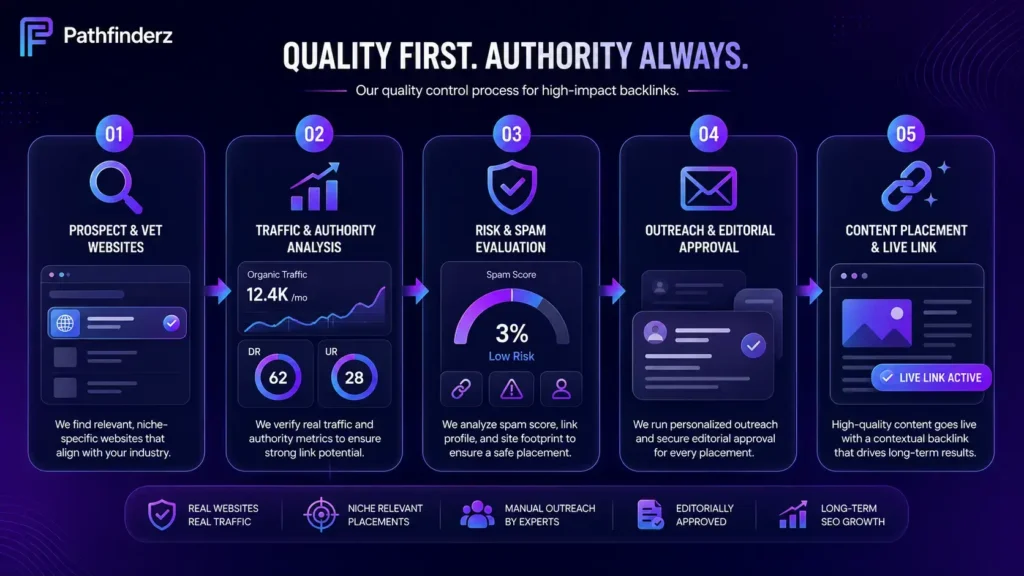
Not every provider delivers the same backlink quality. Some agencies focus only on volume while ignoring relevance, authority, and long-term SEO impact.
A reliable fulfillment partner follows strict quality standards before placing any backlink.
Real Websites With Organic Traffic
Real traffic remains one of the strongest trust indicators. High metrics alone do not guarantee quality.
Many manipulated websites inflate domain rating artificially while generating almost no search visibility.
Strong publishers usually have:
- Consistent organic traffic
- Indexed pages
- Ranking keywords
- Real editorial content
- Natural backlink profiles
- Active audiences
Traffic trends matter more than inflated authority scores alone.
Strong Publisher Vetting Process
High-quality agencies manually review publishers before outreach begins. This reduces spam risks and improves placement quality.
Important checks normally include:
- Organic traffic validation
- Outbound link ratio analysis
- Spam score evaluation
- Content originality review
- Niche relevance checks
- Editorial quality assessment
This process helps avoid link farms and low-value websites.
Manual Outreach and Relationship Building
Mass outreach rarely produces strong editorial placements today. Publishers ignore generic templates quickly.
Relationship-driven outreach performs better because communication feels personalized and trustworthy.
Experienced outreach specialists focus on:
- Relevant publisher matching
- Personalized pitches
- Editorial collaboration
- Long-term relationships
- Contextual content opportunities
This increases acceptance rates and backlink quality significantly.
Contextual and Niche Relevant Backlinks
Search engines value relevance heavily. A contextual backlink inside related content usually carries more SEO value than random placements.
Strong placements should match:
- Industry relevance
- Topic relevance
- Semantic relevance
- Audience intent
- Content context
Niche relevance also improves natural authority growth over time.
Transparent Reporting Systems
Agencies need visibility into campaign progress. Weak reporting creates confusion and trust issues quickly.
Reliable fulfillment systems normally provide:
- White label reports
- Live placement tracking
- Anchor text details
- Publisher metrics
- Link status monitoring
- Monthly campaign updates
Transparent reporting also helps agencies communicate better with clients.
Strong Quality Control Standards
Quality assurance separates serious providers from low-cost backlink sellers.
A proper QA process reviews:
- Anchor text usage
- Placement relevance
- Content quality
- Link indexing
- Publisher standards
- Link positioning
This prevents weak placements from entering campaigns.
Scalable Operational Systems
Good outreach systems must scale without sacrificing quality. Many providers fail once campaign volume increases.
Strong operational workflows usually include:
- Dedicated outreach teams
- Campaign managers
- Approval systems
- Workflow tracking
- Fulfillment pipelines
- Communication processes
Scalable systems improve delivery consistency across multiple agency clients.
White Hat SEO Practices Only
Long-term SEO growth depends on trust and authority. Manipulative backlink tactics often create temporary gains followed by ranking instability.
Reliable agencies avoid:
- PBN networks
- Automated link spam
- Fake authority sites
- Bulk directory submissions
- Comment spam backlinks
Instead, they focus on editorial outreach, contextual placements, and relationship-based link acquisition strategies.
Types of White Label Link Building Services
Different campaigns require different backlink strategies. A strong fulfillment partner uses multiple acquisition methods depending on industry, competition level, and ranking goals.
Using only one tactic usually limits long-term SEO growth.
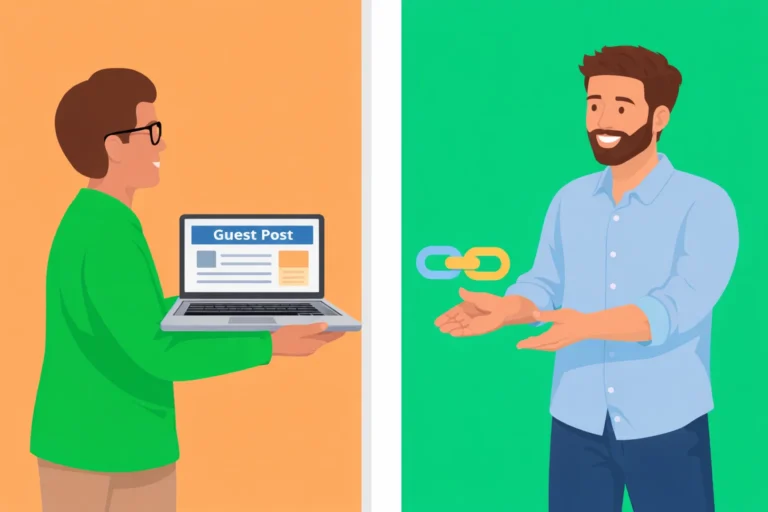
White Label Guest Posting
Guest posting remains one of the most common authority-building strategies. This method places contextual backlinks inside high-quality editorial content published on relevant websites.
A strong guest posting campaign focuses on:
- Real publisher websites
- Organic traffic quality
- Contextual placements
- Relevant anchor text
- Editorial standards
- Niche relevance
Quality matters far more than placement quantity.
Blogger Outreach Campaigns
Blogger outreach focuses on relationship-driven placements across niche publications and industry blogs.
Outreach specialists contact publishers directly to secure contextual opportunities through personalized communication.
This strategy works well for:
- SaaS SEO campaigns
- Ecommerce brands
- Local SEO clients
- Content marketing campaigns
- Brand authority growth
Strong outreach relationships often improve placement consistency over time.
Niche Edits and Contextual Backlinks
Niche edits place backlinks inside existing indexed content rather than publishing entirely new articles.
This strategy can improve:
- Faster indexing
- Existing page authority
- Contextual relevance
- Link velocity diversity
A good niche edit should appear naturally within relevant content sections.
Low-quality insertions inside spam pages usually provide little SEO value.
Editorial Link Building
Editorial backlinks are earned through high-quality content, data-driven assets, or expert contributions.
These links often come from:
- Industry publications
- News websites
- Resource pages
- Research articles
- Expert roundups
Editorial placements usually carry stronger authority signals because publishers choose them based on content value instead of mass outreach.
HARO and Journalist Outreach
Journalist outreach focuses on acquiring mentions and backlinks from media websites and authority publications.
This strategy helps build:
- Brand authority
- Trust signals
- Citation authority
- Entity relevance
- Digital PR visibility
Many SaaS brands and enterprise companies use this approach heavily.
Digital PR Link Building
Digital PR combines outreach, content promotion, and brand visibility strategies.
Instead of focusing only on backlinks, campaigns aim to increase:
- Brand mentions
- Publisher trust
- Media visibility
- Search authority
- AI search visibility
Digital PR often supports long-term topical authority better than basic outreach campaigns alone.
Local SEO Link Building
Local SEO campaigns focus on geographic relevance and regional authority signals.
These campaigns commonly include:
- Local business websites
- Regional blogs
- City publications
- Local directories
- Community websites
Geo-relevant backlinks often improve local map visibility and regional search rankings.
SaaS Link Building Campaigns
SaaS outreach campaigns usually require stronger editorial standards because competition levels remain high.
Successful SaaS link acquisition often depends on:
- Industry publications
- Software blogs
- Technology websites
- B2B content platforms
- Product comparison websites
These placements help improve topical authority and organic traffic growth.
Linkable Asset Promotion
Some campaigns focus on promoting valuable content assets designed specifically for link acquisition.
Common examples include:
- Industry studies
- Original research
- Interactive tools
- Statistics pages
- Data reports
- Expert guides
Strong content assets naturally attract editorial backlinks and branded mentions over time.
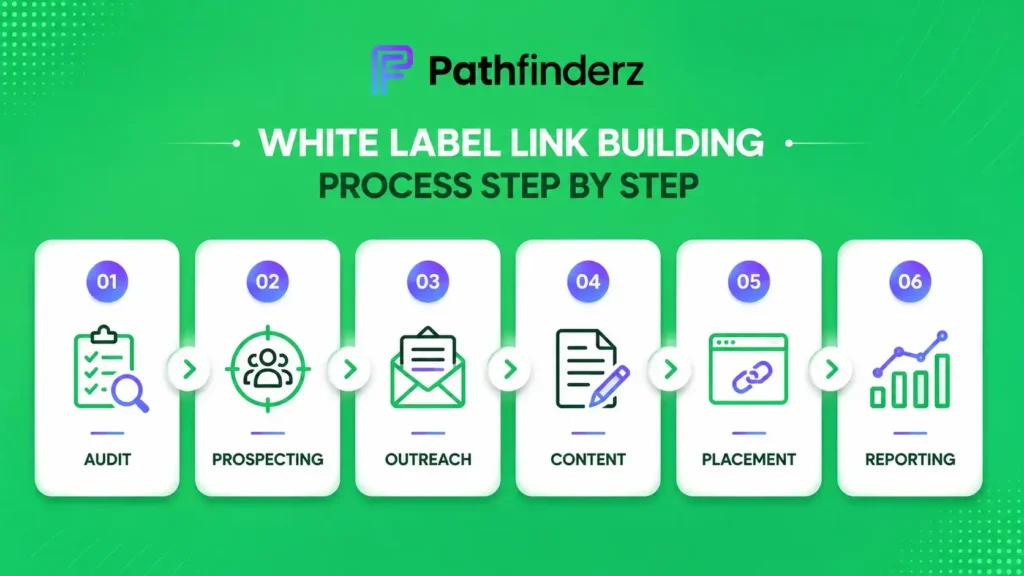
White Label Link Building Process Step by Step
A structured workflow helps agencies maintain consistent backlink quality across multiple campaigns. Strong operational systems reduce errors, improve delivery speed, and create better SEO outcomes long-term.
Most successful outreach campaigns follow a clear multi-stage process.
Link Profile Audit and Competitor Analysis
The process usually starts with a backlink audit. Outreach teams review the existing backlink profile before building a strategy.
Important checks include:
- Current authority levels
- Existing referring domains
- Toxic backlink risks
- Anchor text distribution
- Competitor backlink gaps
- Top-performing pages
Competitor analysis also helps identify outreach opportunities already working within the industry.
Strategy Development for Each Campaign
Every campaign requires different outreach priorities. A SaaS company needs a different strategy than a local business or ecommerce brand.
The strategy stage normally includes:
- Target page selection
- Link type planning
- Anchor text mapping
- Topic relevance analysis
- Publisher category selection
- Link velocity planning
A structured roadmap improves campaign consistency later.
Prospecting Relevant Publishers
Prospecting focuses on finding websites that meet quality standards and topical relevance requirements.
Strong prospecting systems review:
- Organic traffic trends
- Editorial quality
- Domain authority
- Outbound link patterns
- Niche relevance
- Indexation quality
Low-quality websites are filtered before outreach begins.
Personalized Outreach Campaigns
Outreach specialists contact publishers using personalized pitches instead of mass-generated templates.
Relationship-driven outreach improves response rates because communication feels relevant and trustworthy.
The outreach phase often includes:
- Initial contact emails
- Follow-up sequences
- Content discussions
- Placement negotiations
- Editorial coordination
Publisher relationships become stronger through consistent communication.
Content Creation and Editorial Placement
Once placements are approved, content teams create contextual articles matching publisher standards.
Good content should:
- Match the website tone
- Provide useful information
- Include natural anchor text
- Maintain topical relevance
- Support semantic SEO signals
Editorial quality matters heavily because publishers reject weak promotional content quickly.
Placement Review and Quality Checks
After links go live, quality assurance teams verify every placement carefully.
Review processes often include:
- Link functionality checks
- Anchor text accuracy
- Indexing verification
- Placement visibility
- Context relevance
- Content quality review
This stage prevents weak placements from affecting campaign quality.
Backlink Monitoring and Reporting
Campaign tracking continues after placements become active. Agencies need visibility into backlink performance and campaign progress.
Most reporting systems include:
- Live backlink tracking
- Publisher metrics
- Placement URLs
- Anchor text summaries
- Campaign progress updates
- Reporting dashboards
Transparent reporting improves client communication significantly.
Continuous Campaign Optimization
Strong campaigns evolve over time based on ranking improvements, traffic growth, and backlink performance.
Optimization may include:
- Adjusting anchor distribution
- Improving publisher targeting
- Expanding topical coverage
- Increasing authority placements
- Refining outreach messaging
Long-term optimization usually creates more stable SEO growth than one-time backlink campaigns.
White Label Link Building Services for Different Industries
Every industry requires a different outreach strategy. Publisher relevance, content style, and authority expectations vary heavily between niches.
Strong fulfillment campaigns adapt outreach systems based on industry requirements instead of using one generic process.
SaaS Link Building Campaigns
SaaS SEO remains highly competitive because software companies invest heavily in organic growth. Generic backlinks rarely produce meaningful ranking improvements in this space.
Successful SaaS campaigns usually focus on:
- Technology publications
- Software blogs
- Product review websites
- B2B content platforms
- Startup communities
- Industry-specific publishers
These placements help improve topical authority and entity relevance around software-related search terms.
Ecommerce Link Building Strategies
Ecommerce brands need backlinks supporting both product visibility and category authority.
Strong ecommerce outreach often targets:
- Product comparison blogs
- Shopping publications
- Lifestyle websites
- Review platforms
- Industry blogs
- Buying guides
Category page backlinks usually help improve rankings for commercial-intent keywords.
Local SEO White Label Campaigns
Local SEO campaigns require geographic relevance alongside authority signals.
These campaigns commonly focus on:
- Regional publications
- Local blogs
- Business directories
- Community websites
- City-based media
- Local partnerships
Geo-relevant backlinks often improve regional search visibility and local map performance.
Enterprise SEO Fulfillment
Enterprise campaigns require large-scale operational systems because backlink demand becomes significantly higher.
Enterprise outreach usually involves:
- Multi-location campaigns
- Large publisher databases
- Dedicated outreach managers
- Workflow automation
- Editorial review systems
- Scalable reporting pipelines
Consistency becomes extremely important at enterprise scale.
Healthcare and Medical Outreach
Healthcare SEO requires stronger trust signals because publishers maintain stricter editorial standards.
Successful campaigns often prioritize:
- Medical publications
- Health blogs
- Research-based content
- Expert contributions
- Authority references
Low-quality placements usually perform poorly in health-related industries.
Finance and Legal Link Building
Finance and legal niches remain highly competitive due to high commercial search value.
Campaigns normally focus on:
- Authority publications
- Expert-driven content
- Industry resources
- Business websites
- Editorial backlinks
Trust and publisher quality matter heavily within these industries.
AI and Technology Brands
AI-focused businesses now compete aggressively for authority signals and brand mentions.
Strong campaigns target:
- AI publications
- Developer communities
- Tech media websites
- SaaS publishers
- Innovation blogs
These placements support AI search visibility and topical authority growth simultaneously.
Agency-Focused Fulfillment Campaigns
Some outreach systems are built specifically for SEO agencies managing multiple client accounts.
These campaigns usually prioritize:
- Scalable workflows
- White label reporting
- Faster turnaround times
- Approval pipelines
- Consistent communication
Operational efficiency becomes just as important as backlink quality in these partnerships.
Industry Relevance Matters More Than Ever
Search engines now evaluate contextual and semantic relevance more carefully than before.
A highly relevant backlink from a trusted niche publisher often provides stronger value than multiple generic placements from unrelated websites.
Strong industry alignment improves:
- Search trust signals
- Topic relevance
- Organic visibility
- Entity authority
- Long-term ranking stability
How White Label Link Building Helps Rankings and Authority
Backlinks remain one of the strongest ranking signals in modern SEO. Search engines use them to evaluate trust, authority, and topical relevance across websites.
But modern link building goes far beyond simple link quantity.
Improving Topical Authority
Search engines now analyze how deeply a website covers specific topics. Backlinks from relevant publishers help strengthen topical authority across related subject areas.
For example, SaaS backlinks from technology websites usually carry stronger contextual relevance than unrelated placements.
Topical authority improves when backlinks come from:
- Relevant industries
- Trusted publishers
- Related content categories
- Contextual editorial articles
- Industry-specific resources
This creates stronger semantic connections around target topics.
Building Entity Authority
Search engines increasingly evaluate entities instead of relying only on keywords. Brand mentions, citations, and contextual references now contribute heavily to authority signals.
Strong outreach campaigns help improve:
- Brand recognition
- Citation trust
- Publisher references
- Industry mentions
- Search credibility
Entity authority also supports AI-generated search visibility across newer search experiences.
Supporting Organic Ranking Growth
Authority backlinks help search engines trust important pages faster. This often improves ranking potential for competitive keywords.
Strong campaigns usually support:
- Category page rankings
- Commercial keyword growth
- Informational content visibility
- Long-tail keyword expansion
- Organic traffic improvements
Results depend heavily on relevance, quality, and consistency.
Increasing Search Trust Signals
Search engines analyze trust patterns across backlink profiles carefully. Natural authority growth often comes from consistent editorial mentions instead of aggressive link spikes.
Trust signals strengthen through:
- Editorial backlinks
- Relevant publisher mentions
- Contextual placements
- Natural anchor text usage
- Diverse referring domains
Stable backlink growth generally performs better long-term.
Improving AI Search Visibility
AI-driven search systems increasingly reference trusted sources when generating answers and summaries.
Strong backlink profiles help websites gain visibility within:
- AI Overviews
- AI-generated answers
- Entity-driven search
- Citation-based responses
- Semantic search systems
Authority publishers and trusted mentions influence these systems heavily.
Strengthening Internal Content Performance
Backlinks often improve the performance of supporting content across entire websites, not just the linked pages.
Strong authority growth can positively affect:
- Blog content rankings
- Service page visibility
- Resource pages
- Conversion-focused pages
- Supporting topic clusters
This creates broader SEO value beyond individual placements.
Helping New Pages Rank Faster
New content usually struggles without authority support. Strategic backlink acquisition helps search engines discover and trust important pages earlier.
This becomes valuable for:
- Newly launched websites
- Fresh landing pages
- Competitive service pages
- SaaS product pages
- Industry resource hubs
Faster authority signals can improve indexing and visibility timelines.
Long-Term SEO Value Matters Most
Short-term backlink spikes rarely produce stable growth. Sustainable outreach campaigns focus on long-term authority building instead of temporary ranking manipulation.
Strong long-term campaigns prioritize:
- Consistent outreach
- Editorial quality
- Niche relevance
- Authority publishers
- Relationship-based placements
This creates a more natural backlink profile over time.
White Label SEO Link Building vs In-House Link Building
Many agencies eventually face the same question. Should they build an internal outreach team or partner with an external fulfillment provider?
Both models can work, but the operational differences become significant as campaigns grow.
Cost Comparison Between Both Models
Building an in-house outreach department requires large ongoing investments. Agencies must hire specialists, train teams, purchase outreach tools, and manage workflows internally.
Internal teams often require:
- Outreach specialists
- Content writers
- Prospectors
- Campaign managers
- SEO strategists
- Reporting staff
Additional software costs also increase quickly.
These commonly include:
- Outreach platforms
- Prospecting tools
- SEO software
- Email systems
- Reporting dashboards
- Project management tools
A fulfillment partner already operates these systems at scale.
Speed and Scalability Differences
Internal teams usually require time before becoming fully operational. Building publisher relationships and scalable outreach workflows often takes months or years.
An established fulfillment provider already has:
- Outreach systems
- Publisher databases
- Prospecting workflows
- Editorial relationships
- Reporting pipelines
- Operational processes
This allows campaigns to scale faster without operational delays.
Access to Real Publisher Relationships
Publisher trust became more important because editors receive large amounts of outreach spam daily.
Internal teams often struggle initially because they lack relationship history with publishers.
Experienced fulfillment partners already maintain relationships across:
- Industry blogs
- Editorial websites
- SaaS publications
- Local publishers
- Authority media sites
These relationships improve placement success rates significantly.
Operational Management Requirements
Managing outreach internally involves constant operational oversight.
Agencies must handle:
- Team management
- Quality control
- Outreach training
- Workflow organization
- Performance monitoring
- Publisher communication
As campaigns grow, operational complexity increases heavily.
Outsourcing reduces much of this internal management burden.
Flexibility for Growing Agencies
Agency demand often changes rapidly. Some months require aggressive outreach volume while others slow down significantly.
A scalable fulfillment system provides more flexibility because agencies can:
- Increase campaign volume quickly
- Reduce operational pressure
- Expand into new niches
- Support multiple industries
- Handle larger retainers
This flexibility becomes difficult with fixed internal teams alone.
Quality Control Differences
In-house teams provide direct control over workflows and communication. However, maintaining quality standards consistently becomes challenging during rapid scaling phases.
Strong fulfillment partners usually already operate structured QA systems involving:
- Editorial review
- Publisher vetting
- Spam analysis
- Placement verification
- Reporting audits
Well-built systems often improve consistency significantly.
Which Model Works Best for Most Agencies
Smaller agencies often benefit from outsourcing because building internal systems becomes expensive early.
Larger agencies sometimes combine both models by:
- Keeping strategy internally
- Outsourcing fulfillment
- Managing client communication directly
- Using white label reporting systems
This hybrid approach allows agencies to scale while maintaining brand control.
Why Many Agencies Prefer White Label Fulfillment
The biggest reason usually comes down to operational efficiency.
Instead of spending years building outreach infrastructure internally, agencies can immediately access:
- Proven outreach systems
- Experienced specialists
- Existing publisher networks
- Reporting workflows
- Fulfillment scalability
This often allows faster growth with lower operational risk.
Red Flags to Avoid When Choosing White Label Link Building Providers
The backlink industry contains many low-quality providers offering unrealistic promises and manipulated metrics. Agencies that choose the wrong fulfillment partner often face ranking instability, weak results, and client trust issues later.
Knowing the warning signs helps prevent long-term SEO problems.
Cheap Backlink Packages With Unrealistic Promises
Extremely cheap packages usually focus on link quantity instead of authority and relevance.
Common promises include:
- Hundreds of backlinks quickly
- Instant ranking improvements
- Guaranteed authority metrics
- Mass placements within days
High-quality outreach campaigns require manual work, publisher relationships, and editorial review processes. Real authority placements rarely happen at extremely low prices.
Private Blog Networks and PBN Footprints
Some providers rely heavily on private blog networks because placements are easier to control internally.
PBN websites often show patterns like:
- Thin content quality
- Artificial authority metrics
- Similar website structures
- Unnatural outbound linking
- Weak organic traffic
Search engines continuously improve detection systems around manipulative backlink networks.
Fake Domain Rating and Inflated Metrics
Many websites artificially increase domain rating while generating little real search visibility.
A website with strong metrics but no organic traffic usually provides weak SEO value.
Important quality indicators include:
- Ranking keywords
- Indexed pages
- Traffic trends
- Content quality
- Publisher reputation
- Audience engagement
Organic traffic usually matters more than inflated authority scores alone.
Automated Outreach Spam
Mass-generated outreach emails damaged publisher trust significantly during recent years.
Poor outreach systems often include:
- Generic templates
- AI-generated spam emails
- Irrelevant publisher targeting
- Aggressive follow-ups
- Poor personalization
Publishers ignore these campaigns quickly, reducing placement quality.
Low-Quality Guest Posting Websites
Not every guest posting website provides authority value. Some publishers exist only to sell placements without maintaining editorial quality.
Low-value websites often contain:
- Excessive outbound links
- Irrelevant articles
- Thin content
- Sponsored content overload
- Poor design quality
Strong editorial websites maintain stricter publishing standards.
Weak Reporting and Hidden Processes
A lack of transparency usually signals poor operational systems.
Warning signs often include:
- No live reporting
- Missing placement details
- Unclear workflows
- Hidden publisher information
- Delayed communication
Reliable fulfillment partners provide clear campaign visibility.
Overoptimized Anchor Text Strategies
Aggressive anchor text patterns create unnatural backlink profiles.
Some providers repeatedly use exact-match anchors without considering:
- Semantic relevance
- Natural variation
- Brand anchors
- Generic anchors
- Contextual placement balance
Balanced anchor distribution creates safer long-term growth.
No Publisher Vetting Process
Strong outreach systems carefully review publishers before outreach begins.
Weak providers skip important checks like:
- Spam score analysis
- Organic traffic review
- Outbound link patterns
- Indexation quality
- Editorial standards
This often leads to poor placement quality.
No Focus on Relevance
Topical relevance matters heavily in modern SEO. Random backlinks from unrelated industries rarely improve authority consistently.
Strong campaigns prioritize:
- Niche alignment
- Contextual relevance
- Industry authority
- Semantic connections
- Audience relevance
This improves trust signals significantly.
Choosing Long-Term SEO Value Over Shortcuts
Many shortcut tactics produce temporary ranking spikes before losing effectiveness later.
Reliable outreach campaigns focus on:
- Editorial quality
- Real publisher relationships
- Natural authority growth
- Sustainable outreach systems
- Long-term search visibility
This creates more stable SEO performance over time.
How To Find Reliable White Label Link Building Providers
Choosing the right fulfillment partner affects campaign quality, client retention, and long-term SEO performance. Many agencies focus only on pricing while ignoring operational quality and publisher standards.
A reliable provider should offer transparency, consistency, and scalable outreach systems.
Review Real Campaign Examples
Strong providers should show actual backlink examples instead of vague promises.
Important things to review include:
- Publisher quality
- Organic traffic trends
- Content relevance
- Contextual placement style
- Anchor text usage
- Industry relevance
Case studies help agencies understand how campaigns perform across different niches.
Analyze Publisher Quality Carefully
Not every authority metric reflects real SEO value. Some websites manipulate domain ratings while generating little organic visibility.
Good publishers usually show:
- Stable traffic growth
- Indexed content
- Relevant topics
- Editorial consistency
- Natural backlink profiles
A quick traffic review often reveals low-quality networks immediately.
Ask About Outreach Methods
Outreach quality directly impacts placement quality. Agencies should understand how communication and prospecting are handled.
Important questions include:
- Is outreach manual or automated?
- How are publishers selected?
- Are placements niche relevant?
- How are spam websites filtered?
- What quality checks exist?
Relationship-driven outreach usually performs far better than mass email campaigns.
Evaluate Reporting Systems
Strong reporting improves campaign visibility and client communication.
Reliable systems normally provide:
- Placement tracking
- Publisher metrics
- Anchor text summaries
- Live campaign updates
- Reporting dashboards
- White label reports
Agencies should avoid providers offering vague or incomplete reporting.
Understand Quality Control Processes
Quality assurance prevents weak backlinks from entering campaigns.
Good providers review:
- Organic traffic quality
- Outbound link ratios
- Content standards
- Relevance signals
- Placement positioning
- Indexation status
Structured QA workflows improve consistency significantly.
Check Communication and Workflow Efficiency
Operational communication becomes critical once campaigns scale.
Agencies should evaluate:
- Response speed
- Campaign updates
- Approval processes
- Workflow organization
- Delivery consistency
Weak communication often creates fulfillment problems later.
Review Link Building Strategies
Reliable providers explain their strategies clearly instead of hiding processes behind vague marketing language.
Strong strategies usually include:
- Editorial outreach
- Guest posting
- Blogger outreach
- Contextual placements
- Digital PR campaigns
- Authority content promotion
Providers relying heavily on shortcuts usually avoid detailed explanations.
Look for Long-Term SEO Thinking
Some vendors focus only on fast placements without considering long-term authority growth.
Reliable providers usually prioritize:
- Natural link velocity
- Semantic relevance
- Brand authority
- Editorial trust
- Sustainable outreach
This creates stronger ranking stability over time.
Evaluate Scalability Before Partnerships Grow
Small campaigns may run smoothly initially, but operational issues often appear once outreach volume increases.
Agencies should confirm whether providers can handle:
- Multiple clients
- Different industries
- Large monthly campaigns
- Ongoing outreach growth
- Enterprise fulfillment demands
Scalable systems matter heavily for long-term partnerships.
Why Trust Matters More Than Ever
Search engines became better at identifying manipulative backlink patterns. Because of this, trust and editorial quality now play larger roles in successful SEO campaigns.
Reliable white label partnerships focus on:
- Real relationships
- Relevant publishers
- Transparent workflows
- Consistent quality
- Sustainable authority growth
These factors usually separate long-term SEO success from temporary ranking spikes.
White Label Link Building Pricing and Cost Factors
Pricing varies heavily across the backlink industry because placement quality, outreach difficulty, and publisher standards differ between campaigns.
Many agencies make the mistake of comparing only cost while ignoring authority and long-term SEO value.
What Usually Affects Pricing
Several factors influence the cost of authority backlinks.
The most common include:
- Domain authority requirements
- Organic traffic quality
- Publisher reputation
- Niche competitiveness
- Content creation needs
- Outreach difficulty
A highly competitive SaaS placement normally costs more than a general blog placement because outreach success rates are lower.
Real Editorial Websites Cost More
Strong editorial websites receive large amounts of outreach requests daily. Publishers with real audiences and organic traffic maintain stricter standards.
Higher-quality placements usually involve:
- Editorial review
- Content editing
- Publisher negotiation
- Manual outreach
- Contextual content creation
This additional work increases fulfillment costs naturally.
Cheap Backlinks Often Create Weak Results
Extremely low-cost backlinks usually come from low-quality networks or manipulated websites.
Common problems include:
- Fake authority metrics
- No organic traffic
- Weak editorial standards
- Irrelevant placements
- Spam footprints
Cheap placements rarely improve long-term rankings consistently.
Monthly Retainers vs Per-Link Pricing
Most providers use either monthly campaigns or per-link pricing structures.
Monthly retainers usually work better for:
- Ongoing SEO campaigns
- Authority growth
- Consistent outreach
- Long-term scalability
Per-link pricing often fits agencies needing:
- Specific placements
- Small campaigns
- Flexible outreach volume
- Short-term projects
The right structure depends on campaign goals and operational preferences.
Why Niche Relevance Impacts Cost
Highly relevant publishers usually require more outreach effort because opportunities become smaller within specialized industries.
Difficult industries often include:
- SaaS
- Finance
- Legal SEO
- Healthcare
- Cybersecurity
- AI software
Relevant authority placements within these niches often carry stronger SEO value.
Content Quality Also Influences Pricing
High-authority websites usually expect better content quality before approving placements.
Good content often requires:
- Industry research
- Editorial writing
- Topic expertise
- Semantic optimization
- Publisher-specific formatting
Low-effort content rarely succeeds on trusted websites.
Outreach Complexity Changes Campaign Costs
Some campaigns require significantly more prospecting and relationship building.
Factors increasing outreach complexity include:
- Competitive industries
- Strict publisher standards
- Limited niche websites
- Enterprise campaigns
- International outreach
More complex outreach generally requires stronger operational systems.
Transparency Matters More Than Cheap Pricing
Reliable providers explain exactly what agencies receive instead of hiding behind vague package descriptions.
Strong transparency usually includes:
- Traffic expectations
- Placement quality standards
- Reporting systems
- Outreach methods
- Publisher vetting processes
Clear communication reduces fulfillment problems later.
Long-Term ROI Matters More Than Initial Cost
High-quality backlinks often continue supporting rankings for years after placement.
Strong authority campaigns can improve:
- Organic traffic
- Search visibility
- Brand trust
- Topical authority
- Client retention
This long-term SEO value usually matters more than short-term savings from cheap backlinks.
Choosing Sustainable SEO Growth Over Volume
Search engines now prioritize trust, authority, and contextual relevance more carefully than before.
Reliable campaigns focus on:
- Real publishers
- Editorial quality
- Natural growth
- Relevant placements
- Sustainable outreach
This creates stronger ranking stability and long-term SEO performance.
White Label Link Building Scalability Strategies
Scaling outreach campaigns becomes difficult when quality control systems are weak. Many agencies grow quickly at first, then struggle with delivery consistency once client volume increases.
Strong scalability depends on operational structure, publisher quality, and workflow efficiency.
Building Repeatable Outreach Systems
Successful agencies rely on repeatable systems instead of random outreach processes.
Strong workflows usually include:
- Standardized prospecting methods
- Publisher qualification processes
- Outreach tracking systems
- Approval pipelines
- Reporting workflows
Repeatable systems improve campaign consistency significantly.
Maintaining Quality While Increasing Volume
Many providers lose placement quality when outreach volume increases. Strong fulfillment teams maintain strict standards regardless of campaign size.
Quality-focused systems continue reviewing:
- Organic traffic
- Editorial quality
- Spam signals
- Niche relevance
- Link positioning
- Publisher trust
This prevents scalability from reducing SEO value.
Organizing Campaign Workflows Efficiently
Managing multiple clients requires structured operational systems.
Strong agencies often separate responsibilities between:
- Prospecting specialists
- Outreach managers
- Content writers
- QA reviewers
- Reporting teams
Clear workflows reduce operational bottlenecks.
Using Dedicated Outreach Teams
Relationship-based outreach performs better than general-purpose fulfillment systems.
Dedicated outreach specialists usually develop:
- Industry knowledge
- Publisher relationships
- Negotiation skills
- Communication consistency
This improves placement quality over time.
Building Long-Term Publisher Relationships
Strong publisher relationships reduce outreach friction significantly.
Trusted relationships often lead to:
- Faster placements
- Better editorial opportunities
- Higher acceptance rates
- More relevant backlinks
- Consistent collaboration
Relationship building remains one of the biggest long-term advantages in scalable outreach.
Managing Link Velocity Naturally
Aggressive backlink spikes can create unnatural growth patterns. Scalable campaigns should maintain steady authority growth instead of sudden volume increases.
Natural link velocity usually involves:
- Gradual acquisition
- Diverse placements
- Balanced anchor text
- Mixed backlink types
- Consistent publishing activity
Stable growth patterns generally perform better long-term.
Scaling Across Multiple Industries
Agencies serving multiple niches require separate outreach strategies and publisher databases.
Strong scalability systems support industries like:
- SaaS
- Ecommerce
- Healthcare
- Finance
- Legal SEO
- Local businesses
Industry-specific relevance improves placement quality and authority signals.
Improving Reporting and Communication Systems
As campaigns grow, communication complexity increases heavily.
Scalable reporting systems often include:
- Real-time updates
- White label dashboards
- Campaign tracking
- Placement monitoring
- Progress summaries
Efficient reporting improves client confidence and operational visibility.
Supporting Enterprise-Level SEO Campaigns
Large SEO campaigns require advanced fulfillment systems capable of handling large outreach volumes consistently.
Enterprise workflows often involve:
- Dedicated account managers
- Multi-stage approvals
- Editorial review systems
- Performance monitoring
- Workflow automation
Operational reliability becomes critical at enterprise scale.
Why Scalability Matters for Long-Term Agency Growth
Agencies eventually hit growth limits without scalable fulfillment systems. Outreach becomes harder to manage, reporting slows down, and quality begins dropping.
Strong scalability allows agencies to:
- Accept larger contracts
- Expand service offerings
- Improve delivery consistency
- Increase monthly retainers
- Maintain long-term client relationships
This creates a more sustainable growth model for modern SEO agencies.
White Label Link Building for Modern SEO in 2026
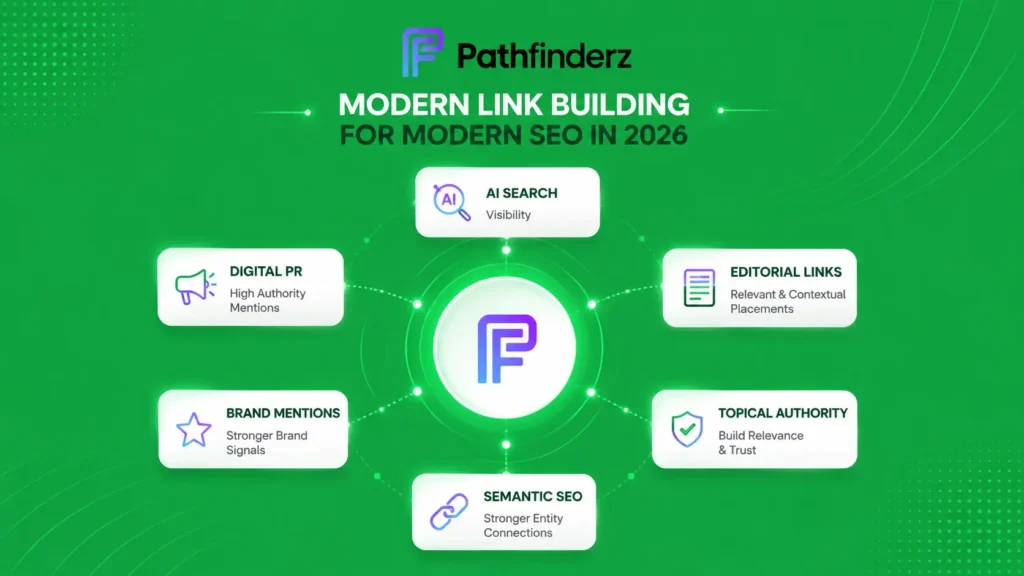
Search engines changed significantly during recent years. Modern SEO now focuses more heavily on trust, relevance, entities, and authority signals instead of simple keyword matching.
Backlinks still matter strongly, but the way search engines evaluate them continues evolving.
AI-Driven Search Changed SEO Expectations
AI-generated answers and search summaries now influence visibility across many industries.
Search systems increasingly evaluate:
- Trusted citations
- Editorial authority
- Brand mentions
- Semantic relevance
- Entity relationships
Strong backlink profiles help websites appear more trustworthy inside AI-driven search experiences.
Entity Authority Matters More Than Before
Search engines now understand brands, organizations, products, and topics as connected entities.
This means backlinks help strengthen:
- Brand authority
- Industry relevance
- Topical expertise
- Publisher trust
- Semantic relationships
Editorial mentions from trusted websites support these authority signals heavily.
Topical Authority Became a Major Ranking Factor
Modern SEO campaigns focus on building depth around specific topics instead of isolated keywords.
Backlinks now contribute to:
- Topic clustering
- Semantic coverage
- Content relevance
- Search trust signals
- Industry authority
Relevant placements from niche publishers usually provide stronger SEO value than unrelated backlinks.
Digital PR and Editorial Mentions Continue Growing
Many high-performing SEO campaigns now combine traditional outreach with digital PR strategies.
Digital PR campaigns help generate:
- Brand mentions
- Media coverage
- Editorial backlinks
- Publisher trust
- Citation authority
These signals often improve long-term search visibility more naturally.
AI Outreach Spam Increased Publisher Standards
Publishers became far more selective because they receive large amounts of low-quality automated outreach daily.
Strong outreach campaigns now depend heavily on:
- Personalized communication
- Relevant pitches
- Editorial quality
- Relationship building
- Industry understanding
Human-driven outreach performs significantly better than generic automation alone.
Contextual Relevance Matters More Than Link Quantity
Modern algorithms evaluate the context surrounding backlinks carefully.
Important factors now include:
- Topic alignment
- Publisher authority
- Semantic relevance
- Placement positioning
- Audience similarity
One strong contextual backlink often provides more value than dozens of weak placements.
Brand Mentions Support Search Trust
Search engines increasingly evaluate branded references even without direct backlinks.
Strong authority growth now involves:
- Editorial mentions
- Media references
- Publisher citations
- Industry discussions
- Expert contributions
These trust signals support broader SEO performance.
Why Sustainable Outreach Wins Long-Term
Manipulative tactics continue losing effectiveness as search engines improve quality evaluation systems.
Long-term campaigns focus on:
- Editorial quality
- Real relationships
- Authority publishers
- Consistent growth
- Natural backlink profiles
Sustainable outreach creates more stable rankings over time.
Agencies Need Modern Fulfillment Systems
Agencies managing SEO in 2026 need more than basic guest posting vendors.
Modern fulfillment partners should understand:
- AI search visibility
- Semantic SEO
- Entity authority
- Digital PR strategies
- Editorial trust signals
- Scalable outreach systems
This creates stronger long-term SEO value across competitive industries.
The Future of White Label Link Building
Authority-driven SEO continues becoming more relationship-focused and quality-focused.
Future campaigns will likely rely more heavily on:
- Trusted publishers
- Brand authority
- Semantic relevance
- Editorial mentions
- Contextual authority
- AI search visibility
Agencies investing in sustainable outreach systems today will usually remain more competitive long-term.
Real Examples of White Label Link Building Campaigns
Every industry requires different outreach strategies, publisher targeting, and authority-building approaches. Strong campaigns focus on relevance, editorial quality, and long-term SEO growth instead of simple link quantity.
Below are common examples showing how scalable outreach campaigns improve authority and rankings.
SaaS SEO Campaign Example
A SaaS company targeting competitive software keywords often struggles because large competitors already dominate authority signals.
The campaign strategy may include:
- Technology publications
- Software review websites
- B2B content platforms
- Startup blogs
- Product comparison pages
The outreach team focuses on contextual backlinks from highly relevant software publishers instead of general websites.
Strong SaaS campaigns usually improve:
- Organic traffic
- Product page rankings
- Brand authority
- Topical relevance
- AI search visibility
Local SEO Campaign Example
Local businesses require geographic relevance alongside authority growth.
A local SEO campaign often targets:
- City publications
- Regional blogs
- Local business websites
- Community resources
- Geo-relevant directories
These backlinks strengthen local trust signals and regional search relevance.
Common improvements include:
- Local keyword rankings
- Google Business visibility
- Regional traffic growth
- City-specific authority
Ecommerce Link Building Example
Ecommerce campaigns often focus on category pages and commercial-intent keywords.
A typical strategy may involve:
- Product review blogs
- Lifestyle websites
- Shopping publications
- Buying guides
- Industry resources
The goal is improving authority around transactional search intent.
Strong ecommerce campaigns usually support:
- Category rankings
- Product visibility
- Brand trust
- Organic sales traffic
AI and Technology Brand Example
AI companies now compete aggressively for authority and editorial trust.
Campaigns often prioritize:
- AI publications
- Developer blogs
- Technology news sites
- Startup communities
- Industry research websites
These placements strengthen entity authority and improve visibility across AI-driven search systems.
Enterprise SEO Fulfillment Example
Enterprise campaigns require large-scale outreach systems capable of supporting multiple products, locations, or services simultaneously.
These campaigns often involve:
- Dedicated outreach teams
- Publisher segmentation
- Workflow automation
- Editorial review systems
- Scalable reporting dashboards
Enterprise fulfillment focuses heavily on operational consistency.
Content-Led Link Acquisition Example
Some campaigns center around promoting valuable content assets designed specifically for outreach.
Examples include:
- Industry studies
- Statistics pages
- Data reports
- Interactive resources
- Expert research
High-quality content assets naturally attract editorial mentions and contextual backlinks from authority websites.
Digital PR Campaign Example
Digital PR campaigns combine outreach with brand visibility strategies.
A campaign may focus on:
- Journalist outreach
- Industry commentary
- Media placements
- Expert contributions
- Branded mentions
These campaigns often improve:
- Search trust signals
- Brand visibility
- Citation authority
- Editorial credibility
Why Campaign Customization Matters
No single outreach strategy works for every industry. Strong fulfillment systems customize campaigns based on:
- Competition level
- Industry relevance
- Search intent
- Publisher availability
- Authority goals
This improves backlink quality and long-term SEO performance.
What Successful Campaigns Usually Have in Common
Strong campaigns generally focus on:
- Relevant publishers
- Contextual placements
- Editorial quality
- Natural authority growth
- Consistent outreach
- Transparent reporting
These factors create stronger and more sustainable ranking improvements over time.
Why Agencies Choose Pathfinderz as Their White Label Link Building Partner
Agencies need more than backlinks today. They need reliable fulfillment systems, transparent communication, and scalable outreach processes that support long-term SEO growth.
Pathfinderz focuses on authority-driven outreach campaigns built around quality, relevance, and operational consistency.
Manual Outreach and Relationship-Based Placements
Strong placements rarely come from automated outreach systems alone. Publishers respond better when communication feels personalized and relevant.
Our outreach process focuses on:
- Manual prospecting
- Personalized outreach
- Publisher relationship building
- Contextual collaboration
- Editorial relevance
This helps secure placements on real websites with actual authority and traffic.
Strict Quality Control Standards
Every backlink should support rankings instead of creating SEO risks. That is why campaigns go through multiple quality checks before placements become active.
Our review process focuses on:
- Organic traffic validation
- Niche relevance
- Editorial quality
- Outbound link analysis
- Spam risk evaluation
- Publisher trust signals
We avoid low-quality networks, spam placements, and manipulative backlink tactics.
Real Websites With Genuine Organic Traffic
Many websites inflate authority metrics artificially without generating real visibility. We prioritize publishers with consistent search traffic and strong editorial standards.
Strong placements usually include:
- Indexed content
- Ranking keywords
- Relevant audiences
- Natural backlink profiles
- Trusted authority signals
Traffic quality matters more than inflated metrics alone.
Scalable Outreach Systems for Growing Agencies
As agencies grow, fulfillment complexity increases quickly. Pathfinderz uses structured workflows designed for multi-client campaign management.
Our systems support:
- Multiple SEO campaigns
- Ongoing outreach management
- White label reporting
- Workflow organization
- Faster turnaround times
- Consistent communication
This allows agencies to scale outreach without sacrificing quality.
Transparent Reporting and Communication
Campaign visibility matters heavily for agency-client relationships. Agencies should always understand what work is completed and how campaigns progress.
Our reporting systems include:
- White label reports
- Live placement tracking
- Publisher metrics
- Anchor text summaries
- Campaign updates
- Progress visibility
Clear communication reduces operational friction significantly.
Modern SEO and Authority-Focused Strategies
Modern SEO now depends heavily on authority, trust, and semantic relevance. Pathfinderz focuses on long-term growth instead of temporary ranking manipulation.
Campaigns support:
- Topical authority
- Entity relevance
- Editorial trust
- Brand mentions
- Semantic SEO signals
- AI search visibility
This creates stronger long-term SEO performance across competitive industries.
Flexible Fulfillment for Different Industries
Different industries require different outreach strategies. Pathfinderz supports campaigns across multiple niches with customized outreach planning.
Industries commonly supported include:
- SaaS
- Ecommerce
- Healthcare
- Cybersecurity
- AI software
- Local businesses
- Finance
- Marketing services
Each campaign follows relevance-focused publisher targeting instead of generic placements.
Sustainable SEO Growth Instead of Shortcut Tactics
Short-term backlink manipulation often creates unstable rankings later. Pathfinderz focuses on sustainable outreach systems designed for long-term authority growth.
Campaign priorities include:
- Editorial quality
- Natural backlink profiles
- Consistent authority growth
- Trusted publisher relationships
- Contextual placements
This approach creates safer and more stable ranking improvements over time.
Built for Agencies That Want Reliable Fulfillment
Many agencies need a fulfillment partner capable of supporting growth without creating operational headaches.
Pathfinderz helps agencies:
- Scale campaigns efficiently
- Improve client retention
- Increase outreach capacity
- Deliver stronger authority signals
- Maintain fulfillment consistency
The goal is simple. Build scalable SEO growth through trusted outreach systems and high-quality authority backlinks.
Frequently Asked Questions
Trusted editorial mentions and authority backlinks may improve visibility across AI-driven search systems, citation-based answers, and entity-focused search experiences.
Conclusion
Strong authority backlinks still play a major role in modern SEO growth. Agencies that invest in sustainable outreach systems usually build stronger rankings, better client retention, and more stable organic visibility over time.
The most effective campaigns focus on relevance, editorial quality, and trusted publisher relationships instead of shortcut tactics or mass backlink volume.
Modern SEO now depends heavily on:
- Topical authority
- Semantic relevance
- Editorial trust
- Brand authority
- Contextual placements
- Search trust signals
That is why experienced fulfillment systems matter more than ever.
Pathfinderz helps agencies scale outreach campaigns through transparent workflows, manual outreach, quality-focused placements, and long-term authority strategies. The goal is not simply acquiring backlinks. The goal is building sustainable SEO growth through trusted white label link building partnerships.