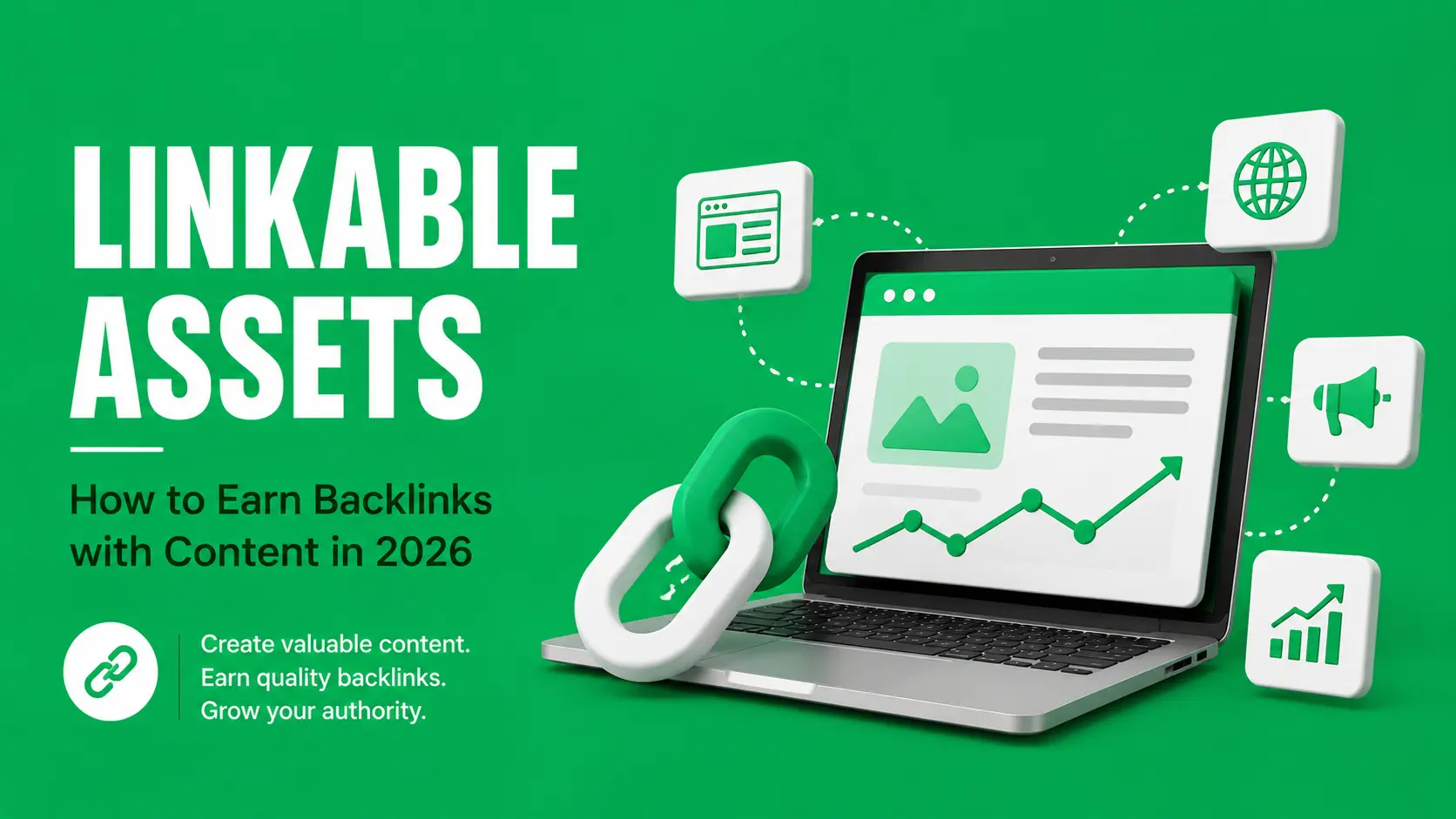
Linkable Assets: How to Earn Backlinks with Content in 2026
Getting backlinks is harder now because most content looks the same. Thousands of websites publish generic articles every day, but very few create something worth citing.
That is why smart brands focus on creating resources people genuinely find useful.
Instead of depending only on cold outreach, businesses now invest in content that naturally attracts mentions from bloggers, journalists, SaaS companies, and industry websites.
These content pieces are known as linkable assets.
When created properly, linkable assets can improve search visibility, strengthen topical authority, and generate long-term organic traffic.
In this guide, you will learn how linkable assets work, which formats perform best, and how to create content that earns backlinks consistently.
What Are Linkable Assets?
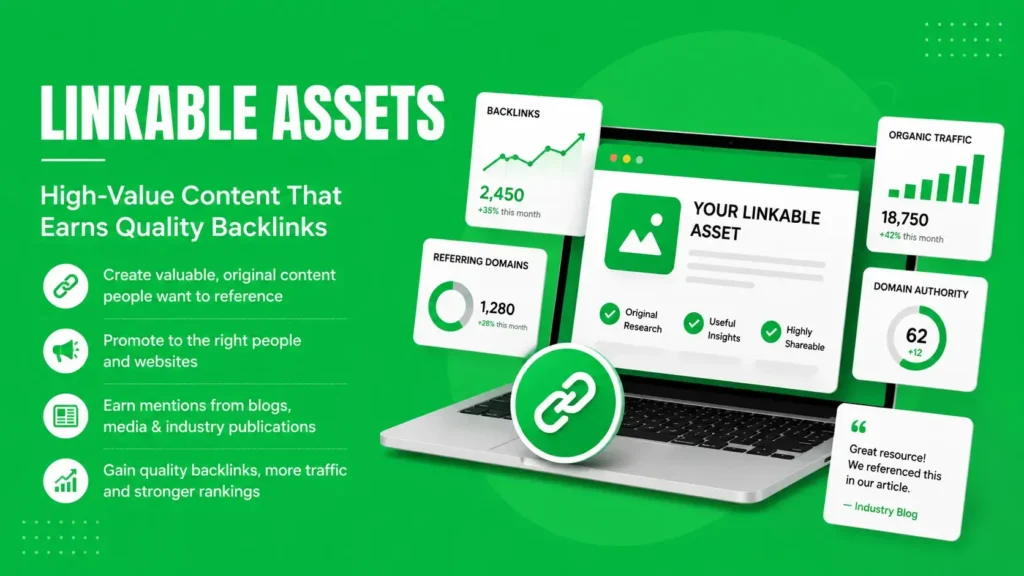
Linkable assets are content pieces specifically created to earn backlinks from other websites.
Their purpose is simple, provide enough value that other publishers naturally reference them in articles, guides, newsletters, or resource pages.
A linkable asset can educate readers, present industry data, simplify a complex topic, or offer unique insights people cannot easily find elsewhere.
Unlike standard blog posts written only for publishing consistency, these assets are built with long-term SEO value in mind.
Strong assets continue attracting links months or even years after publication.
Why Linkable Assets Matter for SEO
Backlinks remain one of the strongest ranking signals in search engines. But not every page earns links naturally.
Most websites publish standard content. Very few publish something worth citing.
That is where linkable assets help.
A well-planned asset can:
- Increase organic backlinks
- Improve topical authority
- Support internal linking
- Build trust in your niche
- Bring referral traffic
- Help pages rank faster
Many brands spend thousands on outreach without improving the actual quality of their content. Strong assets make outreach easier because people already see value in the page.
Characteristics of a Strong Linkable Asset
Not every content piece becomes link-worthy. Successful assets usually share a few common traits.
Original Information
People link to content that offers something new. This could include:
- Industry data
- Survey results
- Expert insights
- Trend analysis
- Research findings
Originality increases the chances of natural mentions.
Clear Structure
Messy content loses attention quickly. Strong assets are easy to scan and understand.
Use:
- Short paragraphs
- Clear headings
- Visual hierarchy
- Simple language
- Helpful summaries
Practical Value
Readers should gain something useful immediately.
Good assets often help users:
- Solve a problem
- Understand a topic
- Compare solutions
- Learn a process
- Access industry statistics
Evergreen Potential
Some content becomes outdated within weeks. Evergreen assets stay useful for years with small updates.
That makes them easier to promote repeatedly.
Best Types of Linkable Assets
Different industries respond to different content formats. The best approach depends on your audience and niche.
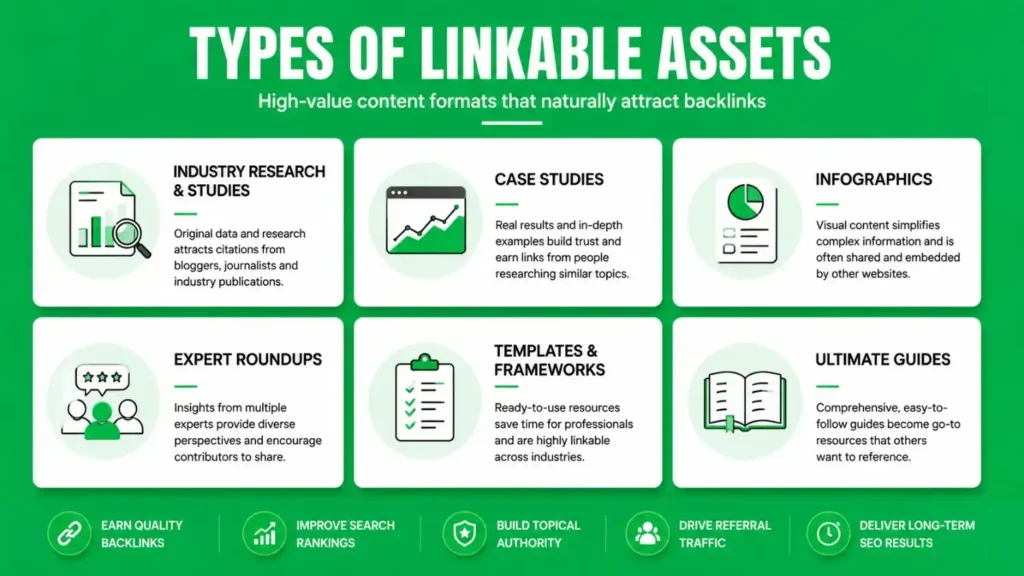
Industry Research and Studies
Research-based content attracts links because writers need reliable sources.
Examples include:
- SEO trend reports
- SaaS adoption statistics
- Remote work surveys
- Marketing benchmark reports
- Consumer behavior studies
Data-driven content often earns links from journalists and bloggers.
Ultimate Guides
Comprehensive guides work well when they genuinely cover a topic deeply.
A good guide should:
- Answer common questions
- Include actionable advice
- Cover beginner and advanced points
- Stay updated regularly
Thin “ultimate guides” rarely attract quality backlinks.
Infographics
Visual content still works when the information is useful and easy to understand.
Infographics perform best when they:
- Simplify complex topics
- Present statistics visually
- Compare processes
- Explain workflows
Keep the design clean. Too much text reduces engagement.
Expert Roundups
Roundups combine insights from multiple professionals in one article. This format helps because contributors often share the content with their audience.
Good outreach and relevant contributors matter more than quantity.
Case Studies
Real results build credibility.
Detailed case studies showing:
- Traffic growth
- SEO improvements
- Outreach campaigns
- Content marketing wins
- SaaS growth strategies
can attract links from people researching similar problems.
Templates and Frameworks
People love ready-to-use resources.
Examples include:
- Outreach email templates
- SEO audit checklists
- Content briefs
- Marketing frameworks
- PR campaign structures
Useful templates often gain backlinks naturally from blogs and communities.
How to Create a Linkable Asset
Creating a linkable asset requires more planning than publishing a normal article.
Find Topics With Link Potential
Start by analyzing what already earns links in your industry.
Look for:
- Frequently cited resources
- Trending industry discussions
- High-performing competitor content
- Questions journalists ask often
Focus on topics with long-term relevance.
Analyze Competitor Backlinks
Study why certain pages attract links.
Check:
- Content depth
- Visual presentation
- Statistics usage
- Unique insights
- Page structure
Do not copy competitors directly. Improve weak areas instead.
Add Unique Value
Your asset should offer something different.
This could be:
- Better data
- Cleaner design
- Updated information
- Stronger examples
- More practical advice
Without differentiation, outreach becomes harder.
Improve Readability
Most users scan content quickly.
Keep sentences short and direct. Avoid unnecessary filler.
Use:
- Bullet points
- H2 and H3 headings
- Tables where useful
- Highlighted insights
Simple formatting increases engagement.
How to Promote Linkable Assets
Even great content needs promotion. Many strong assets fail because nobody sees them.
Outreach to Relevant Websites
Manual outreach still works when personalized properly.
Contact:
- Bloggers
- Journalists
- SaaS companies
- Industry publications
- Niche resource pages
Focus on relevance instead of sending mass emails.
Use Digital PR
Newsworthy assets perform well in digital PR campaigns. Research reports and industry statistics are especially effective for media outreach.
A single mention from a large publication can generate secondary backlinks naturally.
Share Through Communities
Industry communities can amplify visibility.
Useful platforms may include:
- Slack communities
- Facebook groups
- Industry forums
Avoid spammy promotion tactics.
Repurpose the Content
One asset can become multiple formats.
Repurpose into:
- Short LinkedIn posts
- Twitter threads
- Slide presentations
- Visual snippets
- Email newsletters
This extends reach without creating entirely new content.
Common Mistakes That Reduce Link Potential
Many assets fail because of avoidable issues.
Publishing Generic Content
Generic articles rarely attract backlinks. If hundreds of similar pages already exist, you need stronger differentiation.
Ignoring Design
Poor presentation reduces credibility. Even strong research can underperform if the layout looks outdated or cluttered.
Weak Outreach
Sending the same email to everyone lowers response rates. Personalized outreach performs better.
No Update Strategy
Outdated assets lose trust over time. Refresh statistics, screenshots, and examples regularly.
How to Measure Linkable Asset Performance
Tracking performance helps improve future campaigns.
Important metrics include:
- Referring domains
- Organic traffic
- Keyword rankings
- Brand mentions
- Social shares
- Outreach response rate
Also monitor which content formats attract the highest-quality links.
Final Thoughts
Linkable assets remain one of the strongest ways to earn high-quality backlinks naturally. The goal is not to publish more content. The goal is to publish content people genuinely want to reference.
Strong research, useful resources, clear formatting, and proper promotion all matter. When done correctly, a single linkable asset can support SEO growth for years.