What Is Link Building? A Complete Beginner’s Guide for SEO (2026)
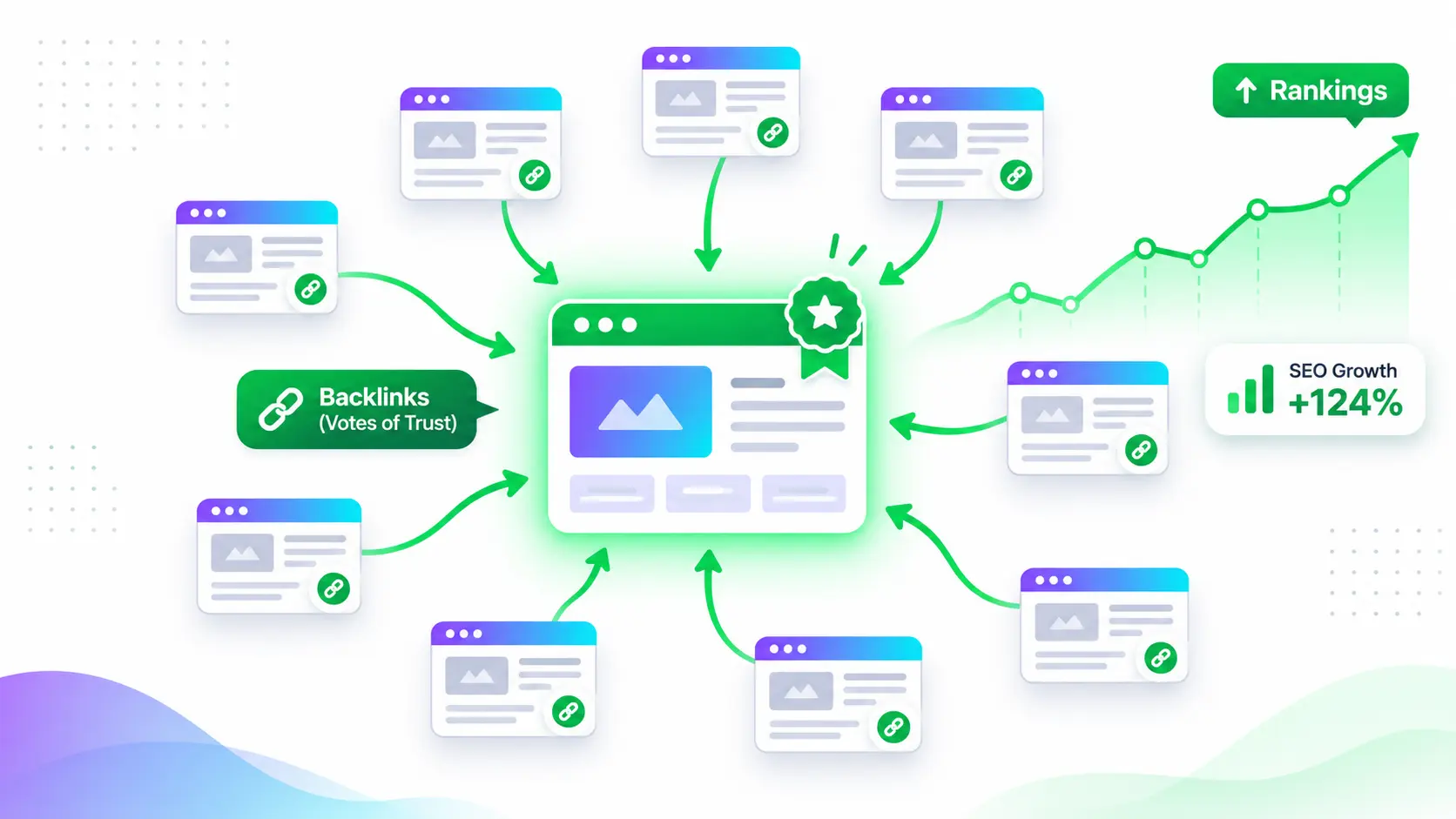
Link building is the practice of getting other websites to link to your pages. These links act like votes of trust in Google’s eyes. The more quality votes a page earns, the higher it can rank. This guide explains what link building is in plain terms. You will learn how it works, why it matters, and which strategies work today. It is written for beginners and for marketers who want a clear refresher. By the end, you will know how to start the right way.
What Is Link Building?
Link building is the process of acquiring hyperlinks from other websites to your own. A hyperlink, also called a backlink, connects one web page to another. When a trusted site links to you, it passes authority and trust. Search engines treat each link as a signal of credibility. Pages with strong, relevant links tend to rank higher.
Not every link carries the same weight. A link from a popular, relevant site beats a random one. The goal is quality over quantity. One strong backlink can outperform fifty weak ones.
Link building sits inside off-page SEO. Off-page SEO covers everything you do outside your site to rank. Your full set of links is called your backlink profile.
Why Link Building Matters for SEO
Google uses links as one of its top ranking factors. Links powered Google’s original PageRank algorithm. That idea still shapes search today. Without quality backlinks, even great content can stay invisible.
Link building matters for three main reasons.
- Higher rankings. Quality links push your pages up the results.
- Referral traffic. Visitors click the links and reach your site.
- Authority. Links from respected sites build your brand’s trust.
Strong links also help Google find your new pages faster. Crawlers follow links from one site to the next. More links mean more paths to your content. This speeds up indexing and growth.
How Link Building Works
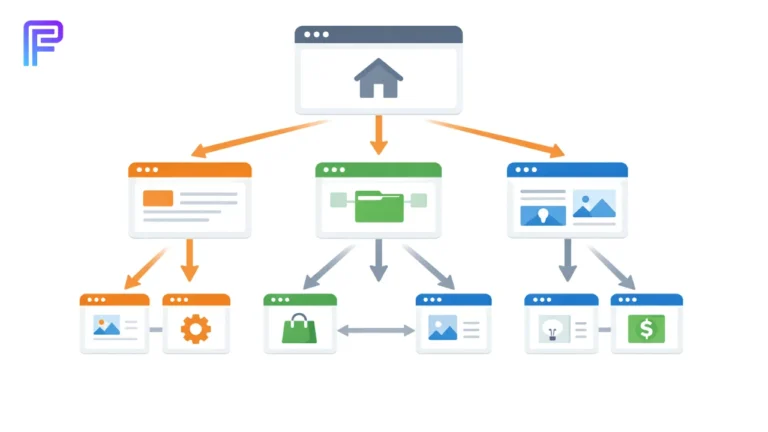
Link building works by earning trust signals called link juice. Link juice is the authority one page passes to another through a link. A page with high authority passes more value. That value helps the linked page rank better.
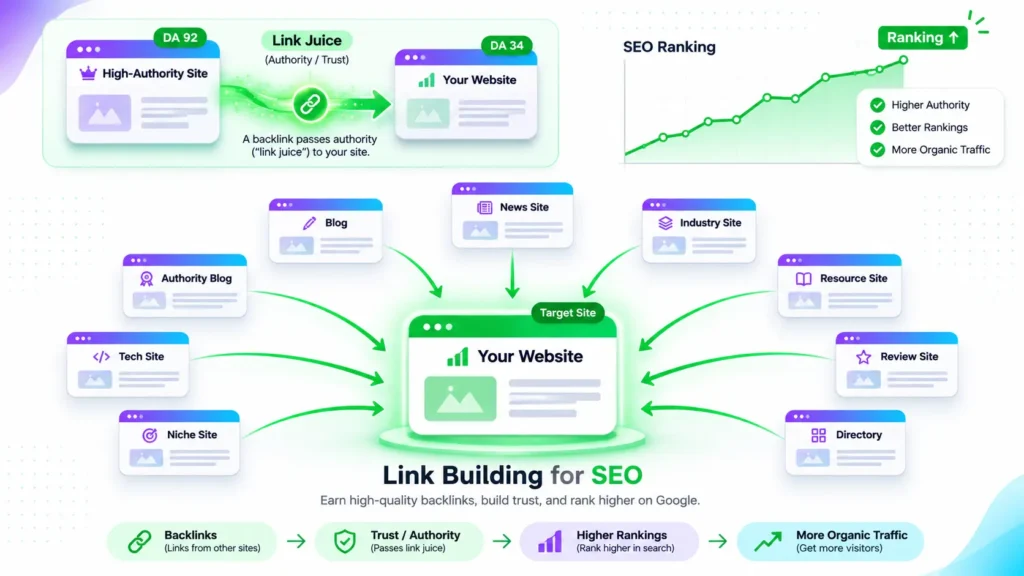
Here is the basic flow.
- You create a page worth linking to.
- Another website adds a link to that page.
- The link passes authority and relevance to you.
- Search engines reward the page with better visibility.
Two link types shape how this works. A dofollow link passes authority to your site. A nofollow link tells search engines not to pass it. A healthy profile holds a natural mix of both.
Relevance matters as much as authority. A link from a related site carries more weight. A fitness blog linking to a gym is a strong match.
Types of Link Building
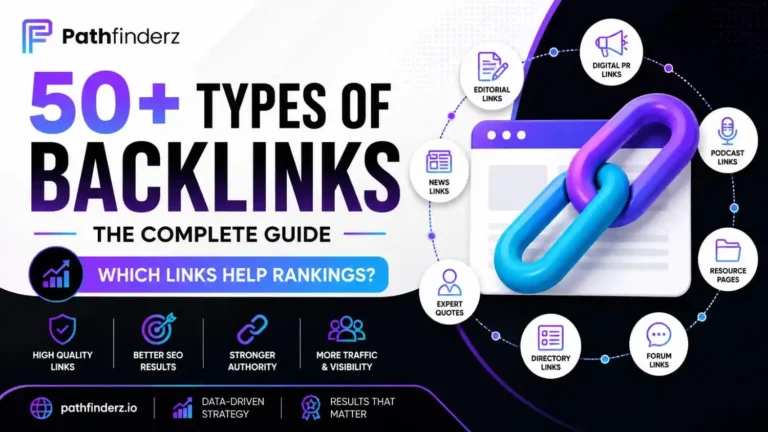
Links come in several forms, and each serves a purpose. Knowing the types of backlinks helps you plan a balanced approach. Below are the most common categories.
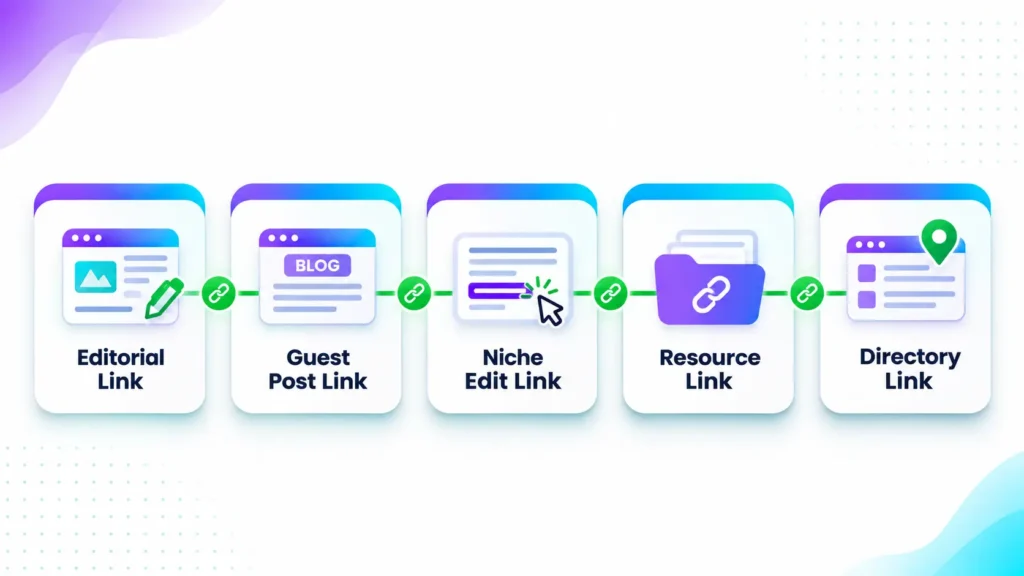
- Editorial links. A site links to you because your content is useful.
- Guest post links. You write an article for another blog and earn a link.
- Niche edit links. An existing article is updated to include your link.
- Resource links. Your page gets listed on a curated resource page.
- Directory links. Your business is listed in a trusted directory.
Editorial links are the hardest to get and the most rewarding. Paid or spammy links carry the highest risk. Google can penalize sites that rely on manipulative links. Focus on links a real editor would approve.
Common Link Building Strategies
Several proven strategies can grow your backlink profile safely. You do not need all of them at once. Pick a few that fit your niche and budget.
- Guest blogging. Write useful posts for other sites in your field.
- Broken link building. Find dead links and offer your page as a fix.
- Contextual link building. Earn links placed inside relevant article content.
- Digital PR. Create newsworthy data or stories that journalists link to.
- Resource page outreach. Ask to be added to curated lists in your niche.
Each strategy takes time and steady effort. Outreach is the common thread across most of them. You find relevant sites, then pitch a clear reason to link. Strong content makes every pitch easier to accept.
White Hat vs Black Hat Link Building
Link building methods fall into two broad camps. White hat methods follow Google’s guidelines. Black hat methods try to trick the algorithm. The camp you pick decides your long-term results.
White hat link building earns links through value and outreach. It is slower but safe and durable. Guest posting and digital PR are white hat tactics.
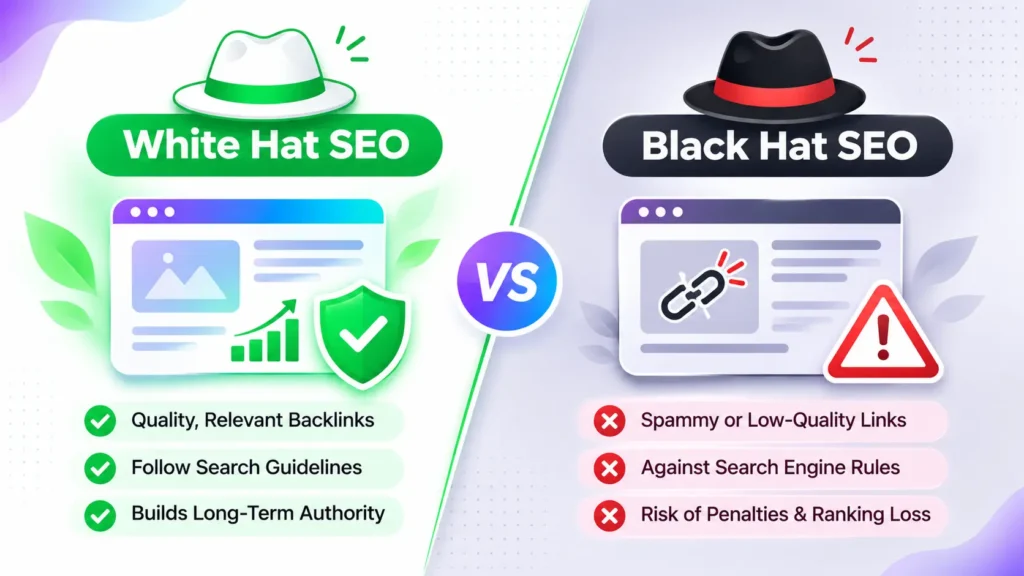
Black hat link building buys or spams links at scale. Private blog networks and link farms fall here. These tactics can bring fast gains, then heavy penalties. A single Google update can wipe out those rankings.
For a lasting business, white hat is the only safe path. Clean authority backlinks protect your site over time.
How to Start Link Building
Starting link building is simpler than it looks. Follow these steps to build momentum.
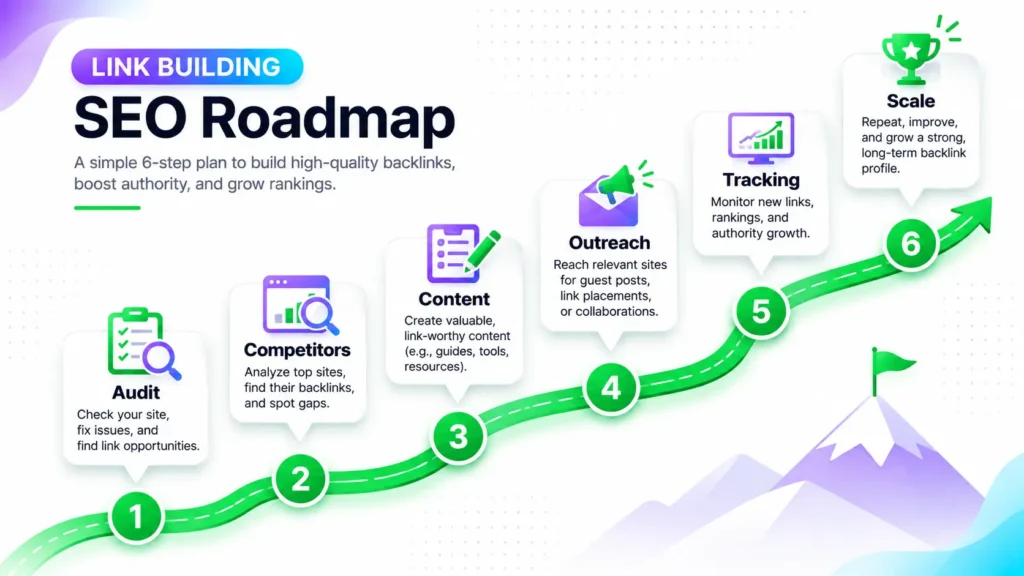
- Audit your current links. Check your backlink profile to see where you stand.
- Study your competitors. Review competitor backlinks to find link gaps.
- Create linkable content. Build guides, tools, or data others cite.
- Make a prospect list. Collect relevant sites that might link to you.
- Send personalized outreach. Pitch a clear, specific reason to link.
- Track your results. Measure new links, rankings, and referral traffic.
Start small and stay consistent. A few quality links each month add up fast. Many owners outsource this work to scale faster. Either path works when the focus stays on quality.
Conclusion
Link building remains one of the strongest tools in SEO. Quality backlinks raise your rankings, traffic, and authority. The safest results come from white hat strategies and real relationships. Focus on relevance and value, not shortcuts.
Start with a simple audit and one strategy you can repeat. Build a few strong links each month and stay patient. Over time, a strong backlink profile becomes a lasting edge. That is how smart link building grows a business.
Frequently Asked Questions
What is link building in SEO?
Link building in SEO is the process of earning links from other websites. These backlinks tell Google your pages are trustworthy. More quality links usually lead to better rankings.
How does link building help SEO?
Link building passes authority from trusted sites to yours. This authority lifts your pages in search results. Links also bring referral traffic and help Google find new pages.
How does link building work?
You create a page worth linking to, then earn links to it. Each link passes trust and relevance to your site. Search engines reward pages with strong, relevant links.
What is a link builder?
A link builder is a person or agency that earns backlinks for clients. They run outreach, guest posting, and other safe tactics. The goal is quality links that lift rankings.