What Are Backlinks? A Complete Beginner’s Guide to Backlinks in SEO
Backlinks are one of the strongest ranking signals in SEO. They are links from other websites that point to your pages. Search engines treat each backlink as a vote of trust. The more quality votes a page earns, the higher it can rank. This guide explains what backlinks are in plain terms. You will learn how they work, why they matter, and the different types. You will also learn how to earn good backlinks and avoid bad ones. It is written for beginners and for marketers who want a clear refresher.
What Are Backlinks?
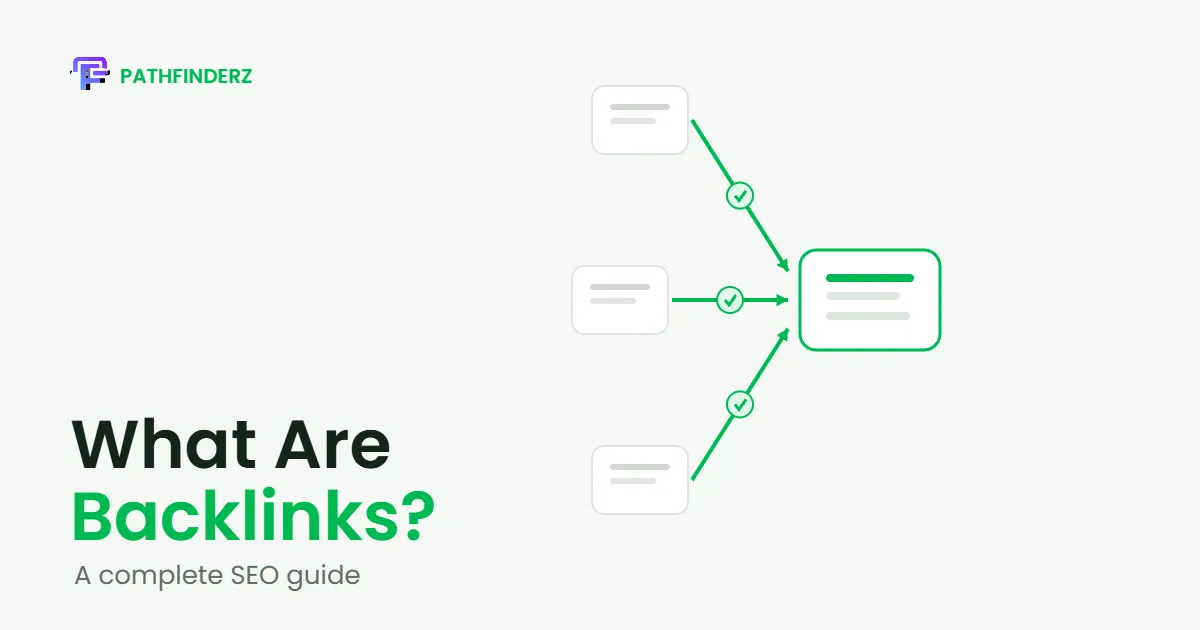
A backlink is a link from one website to a page on another website. It is also called an inbound link or an incoming link. The backlink meaning is simple, and the practice of earning these links is called backlinking. When another site links to you, it creates a backlink to your page. These links connect the web and help users move between pages.
Backlinks matter because search engines use them to measure trust. Each link acts like a recommendation from one site to another. A page with many quality backlinks looks more credible to Google.
Here is a simple example. If a popular blog links to your article, that link is a backlink. It tells search engines that your content is worth citing. Your full set of backlinks is called your backlink profile.
Anatomy of a Backlink
Every backlink is built from a few simple parts. Knowing them helps you judge a link’s value. Here is a backlink example in plain HTML.
<a href="https://yoursite.com/page" rel="follow">your anchor text</a>A backlink has four key parts.
- Linking page. The page on another site that hosts the link.
- Target URL. The href value that points to your page.
- Anchor text. The clickable words that describe the link.
- Rel attribute. A tag like nofollow or sponsored that sets how search engines treat it.
Each part sends a signal to search engines. Descriptive anchor text and a relevant linking page make a backlink stronger.
Why Backlinks Matter for SEO
Google uses backlinks as one of its top ranking factors. Links powered Google’s original PageRank algorithm. That idea still shapes search results today. Without quality backlinks, even great content can stay invisible.
Backlinks help your site in four main ways.
- Higher rankings. Quality links push your pages up the results.
- Faster discovery. Search bots follow links to find your new pages.
- Referral traffic. Visitors click the links and land on your site.
- More credibility. Links from trusted sites build your authority.
The key word is quality. One link from a strong, relevant site beats fifty weak ones. A healthy link profile grows naturally over time.
How Backlinks Work
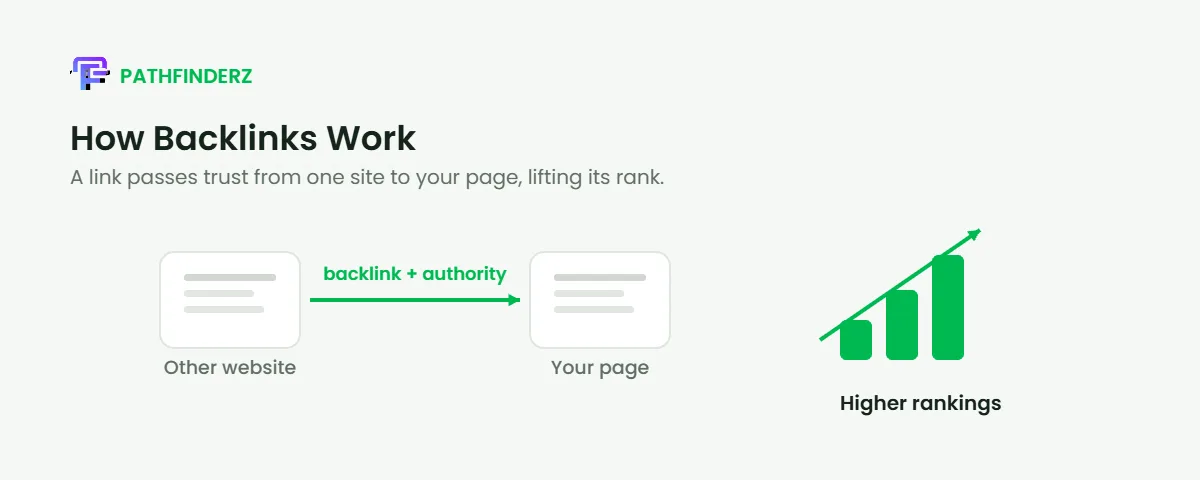
Backlinks work like votes of trust between websites. When one site links to another, it passes a signal of credibility. Search engines read these signals to judge a page. More quality votes usually mean better rankings.
Here is the basic flow.
- A website publishes a link pointing to your page.
- Search bots crawl that link and follow it to your site.
- The link passes authority, often called link juice.
- Google weighs that authority when ranking your page.
Not every link passes the same value. A dofollow link passes authority to your site. A nofollow link asks search engines to hold it back. Relevance also matters, so a link from a related site counts for more.
Types of Backlinks
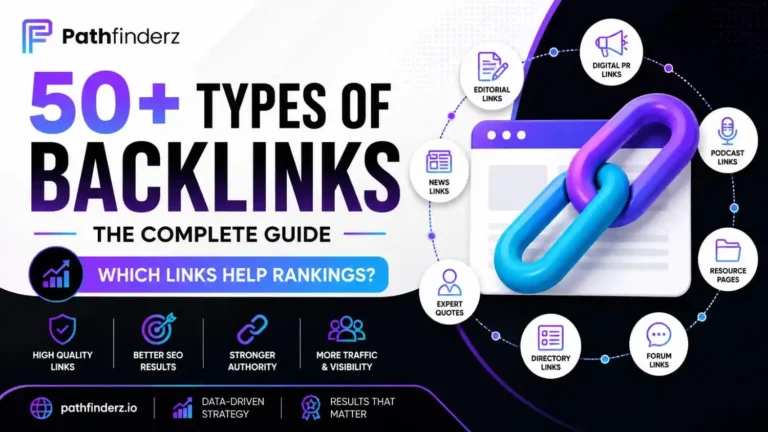
Backlinks come in many forms, and each carries different weight. Knowing the main types of backlinks helps you plan a balanced profile. Here are the most common ones.
- Editorial links. A site links to you because your content is useful.
- Guest post links. You write for another blog and earn a link.
- Niche edit links. Your link is added to an existing article.
- Directory links. Your site is listed in a trusted directory.
- Profile and comment links. Easy to create, so they carry little weight.
Editorial links are the hardest to earn and the most valuable. Links from relevant, high-authority sites always count for more. Build a natural mix rather than chasing one type.
What Makes a High-Quality Backlink
Not all backlinks are equal. A few strong links can outrank a pile of weak ones. These are the signals that make a backlink valuable.
- Relevance. The linking site covers a topic related to yours.
- Authority. The linking site is trusted and ranks well itself.
- Placement. The link sits inside the main content, not a footer.
- Anchor text. The clickable text describes the target naturally.
- Dofollow status. The link passes authority rather than blocking it.
- Traffic. The linking page has real visitors who may click through.
Aim for links that a real editor would add by choice. These authority backlinks protect your rankings over the long term.
Bad Backlinks to Avoid
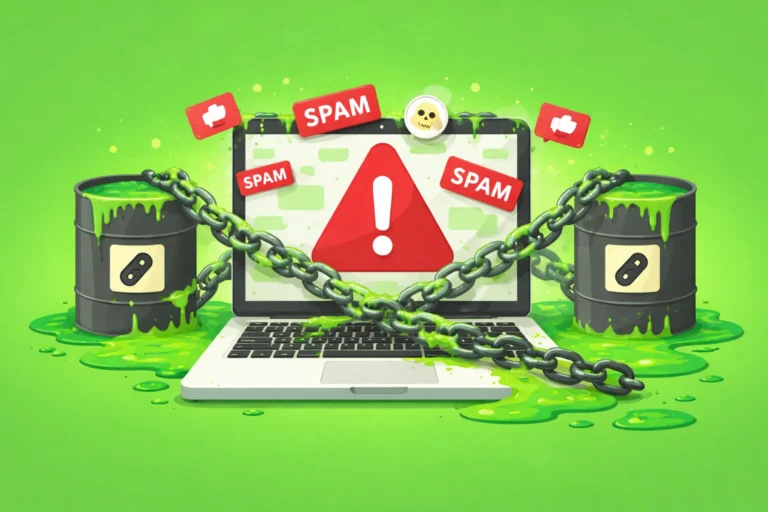
Some backlinks can hurt your site instead of helping it. Google’s spam policies target links that try to game rankings. These spammy links can trigger a penalty or a quiet drop in traffic.
Watch out for these warning signs.
- Bought links from bulk link sellers.
- Links from private blog networks or link farms.
- Mass directory and forum spam links.
- Exact-match anchor text used at scale.
- Links from sites with no relevance to your niche.
If you find toxic links pointing to your site, review them carefully. You can remove or disavow the worst ones to stay safe.
How to Get Backlinks
Earning backlinks is about being worth linking to. Create useful content, then make the right people aware of it. These proven methods work when done with patience.
- Guest blogging. Write useful posts for other sites in your field.
- Digital PR. Share original data or stories that journalists cite.
- Broken link building. Offer your page as a fix for a dead link.
- Linkable assets. Build free tools or guides people cite on their own.
- Outreach. Ask relevant sites to link where it adds real value.
Start with two or three methods you can repeat. For a full playbook, see our guide to link building strategies.
Backlinks vs Internal Links
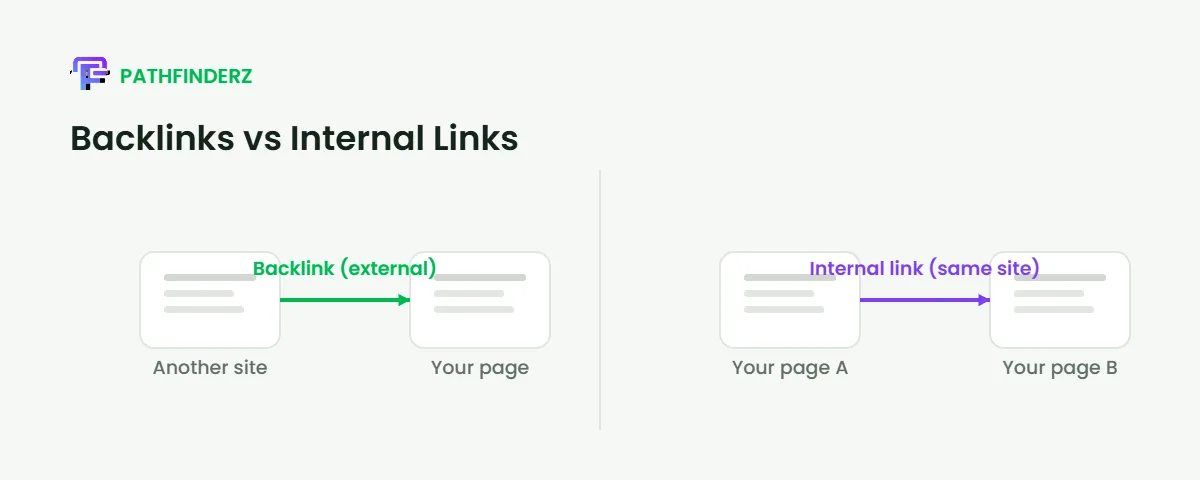
People often confuse backlinks with internal links. The two are different, and both matter for SEO. The difference comes down to where the link starts.
A backlink comes from another website and points to your page. It passes outside trust and authority to your site. These external votes are what move rankings most.
An internal link connects two pages on your own website. It helps users navigate and spreads authority across your pages. Internal links do not pass new outside trust, but they guide it where you want. A strong strategy uses both together.
How to Check Your Backlinks
You cannot improve what you do not measure. Checking your backlinks shows which links help and which ones risk harm. Track these core numbers.
- Referring domains. The count of unique sites linking to you.
- Total backlinks. The full number of links pointing to your pages.
- Link quality. The authority and relevance of each linking site.
- Lost or broken links. Links that disappeared or now point to errors.
Free tools like Google Search Console show who links to you. Paid tools like Ahrefs and Semrush add deeper data. Use regular backlink monitoring to catch lost or toxic links early.
Frequently Asked Questions
What are backlinks in simple words?
Backlinks are links from other websites that point to your pages. Search engines treat each one as a vote of trust. More quality backlinks can help your pages rank higher.
Are backlinks still important in 2026?
Yes. Backlinks remain one of Google’s strongest ranking signals. Quality and relevance now matter far more than raw numbers.
How many backlinks do I need to rank?
There is no fixed number. A few strong, relevant backlinks often beat dozens of weak ones. Content quality and competition decide how many you need.
Do nofollow backlinks help SEO?
They rarely pass direct ranking authority. They still drive referral traffic and keep your link profile natural.
Conclusion
Backlinks remain one of the most powerful tools in SEO. Quality links raise your rankings, traffic, and authority. The safest results come from relevant links that real sites give by choice.
Focus on earning strong backlinks and avoiding spammy ones. Track your profile often and fix lost or toxic links early. Over time, a healthy backlink profile becomes a lasting ranking edge.