What Is Off-Page SEO? A Complete Beginner’s Guide to Off-Site SEO
Off-page SEO is everything you do outside your website to rank higher. It covers backlinks, brand mentions, reviews, and social signals. Search engines use these signals to judge your trust and authority. On-page work alone rarely wins competitive keywords. This guide explains what off-page SEO is in plain terms. You will learn why it matters and how it differs from on-page SEO. You will also get a step-by-step process and the metrics to track. It is built for beginners and for marketers who want a clear refresher.
What Is Off-Page SEO?
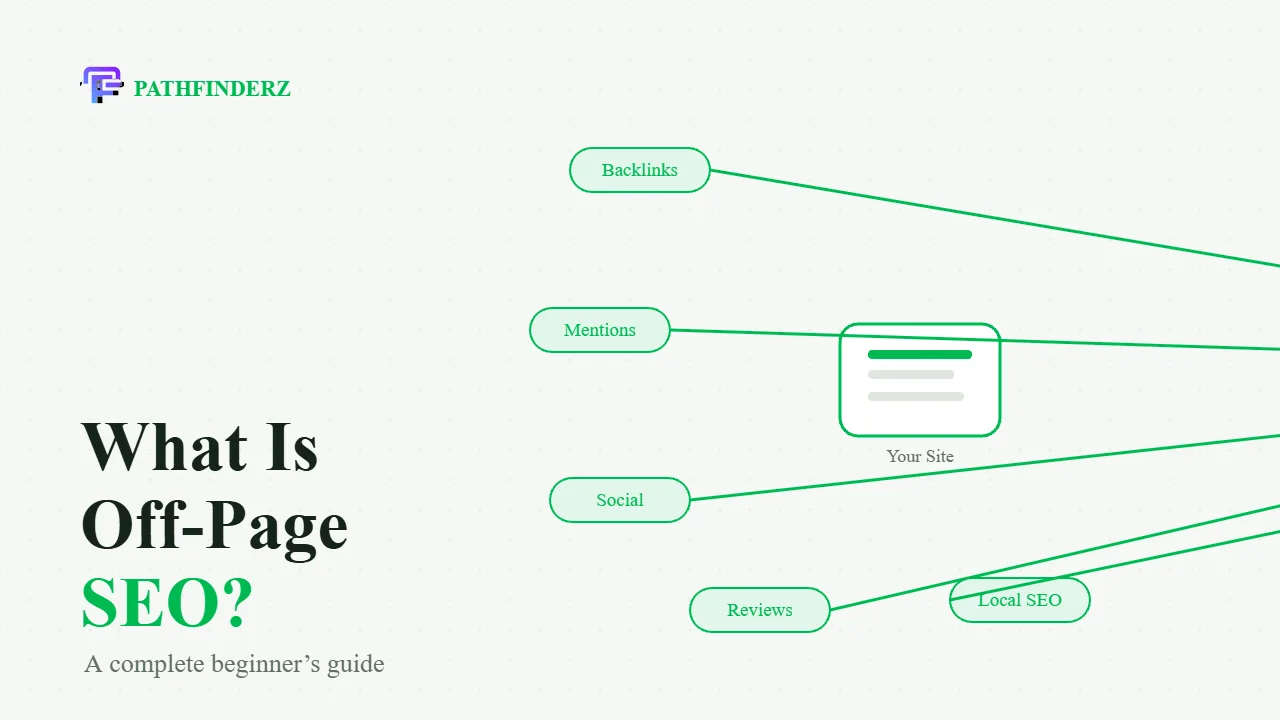
Off-page SEO is the work you do outside your own website to improve rankings. It is also called off-site SEO or off-page optimization. It builds your site’s trust, authority, and reputation online. The most known part is link building, but it is much broader. It also covers brand mentions, reviews, social signals, and digital PR.
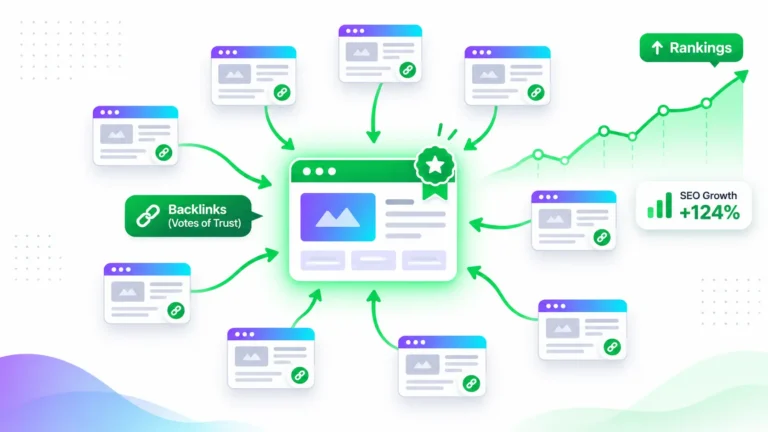
Search engines cannot judge your site on content alone. They look at how the rest of the web treats you. Every quality backlink acts like a vote of trust. Mentions, reviews, and shares add more signals on top.
Think of on-page SEO as what you say about yourself. Off-page SEO is what others say about you. Both work together, but outside signals carry real weight.
Why Off-Page SEO Matters
Google ranks pages on trust as much as content. Off-page signals are how Google measures that trust. Without them, strong content can still stay buried.
Off-page SEO helps your site in four key ways.
- Higher rankings. Quality links and mentions lift your pages.
- More authority. Trusted signals raise your domain’s standing.
- Referral traffic. Links and mentions send real visitors.
- Brand trust. A strong reputation wins clicks and conversions.
It also supports E-E-A-T, which Google uses to judge quality. Experience, expertise, authority, and trust all grow through off-page work. In short, off-page SEO proves your site deserves to rank.
On-Page vs Off-Page vs Technical SEO
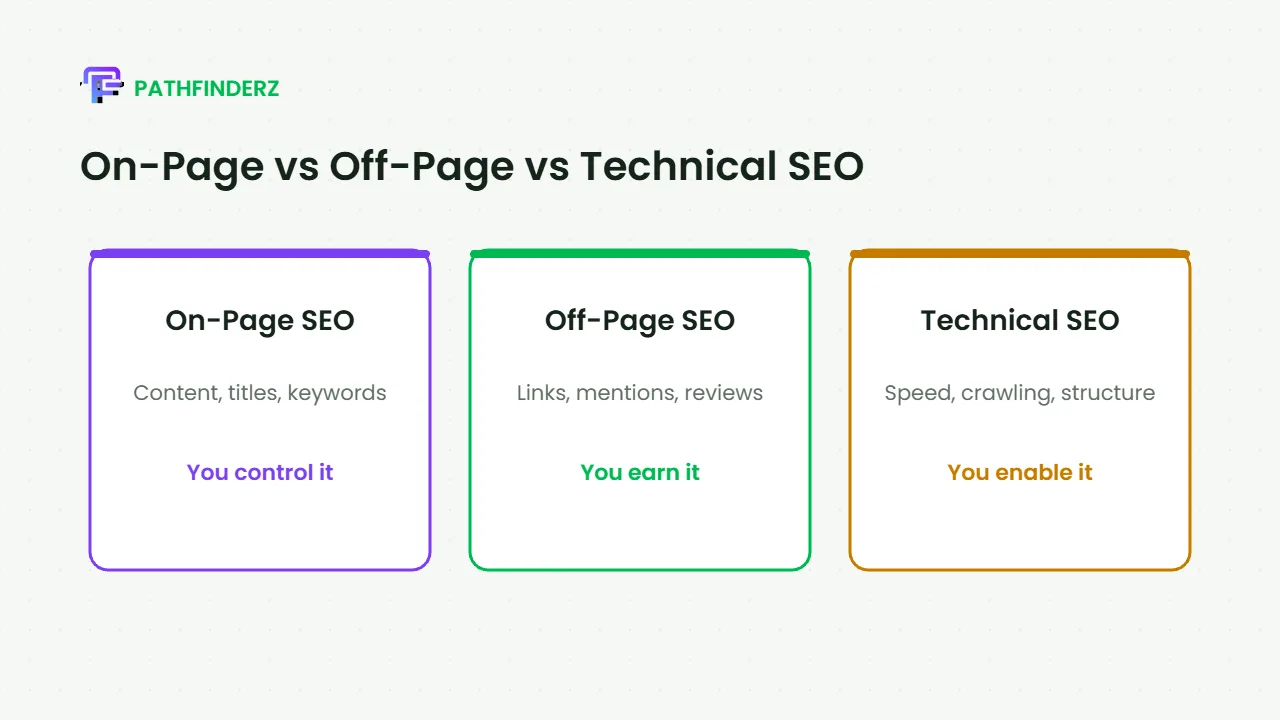
SEO has three main parts, and each plays a different role. Knowing the difference helps you balance your effort. Here is how they compare.
- On-page SEO. Work on your pages, like content, titles, and keywords. You control it fully.
- Off-page SEO. Signals from outside your site, like links and mentions. You earn it, not control it.
- Technical SEO. Your site’s backend, like speed, crawling, and structure. It helps search engines access your pages.
All three work together for strong rankings. On-page and technical set the foundation. Off-page SEO then proves your authority to the wider web.
Off-Page SEO Techniques and Ranking Factors
Off-page SEO techniques run on many signals, not just links. Each one tells Google your site is trusted and relevant. Here are the signals that matter most.
Backlinks
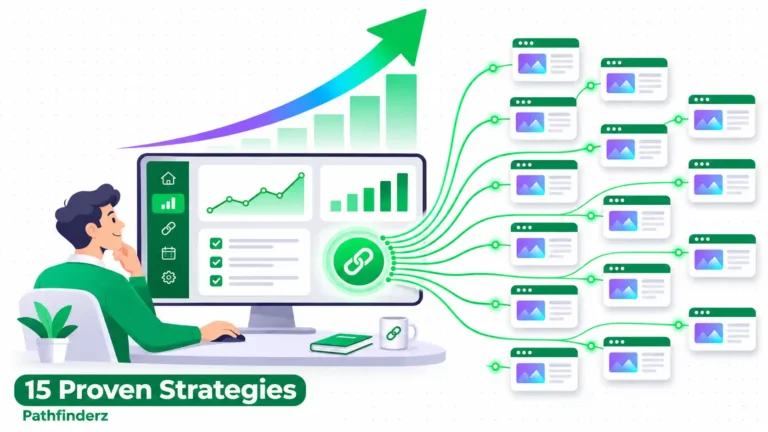
Backlinks are the strongest off-page signal by far. Quality, relevance, and authority backlinks move rankings most. Earn them with proven link building strategies.
Brand Mentions
Sites that name your brand build trust, even without a link. Google reads these mentions as signs of authority. Turn unlinked mentions into links where you can.
Digital PR and Guest Posting
Digital PR earns high-authority links from news and industry sites. Guest blogging places your content on relevant blogs. Both grow links and brand reach together.
Social Media Signals
Social shares do not pass direct ranking power. They spread content, which earns links and mentions. A strong social presence supports your authority.
Local SEO and Reviews
Google Business Profile, citations, and reviews drive local rankings. Consistent listings and real reviews build local trust. These matter most for location-based businesses.
How to Do Off-Page SEO: Step by Step
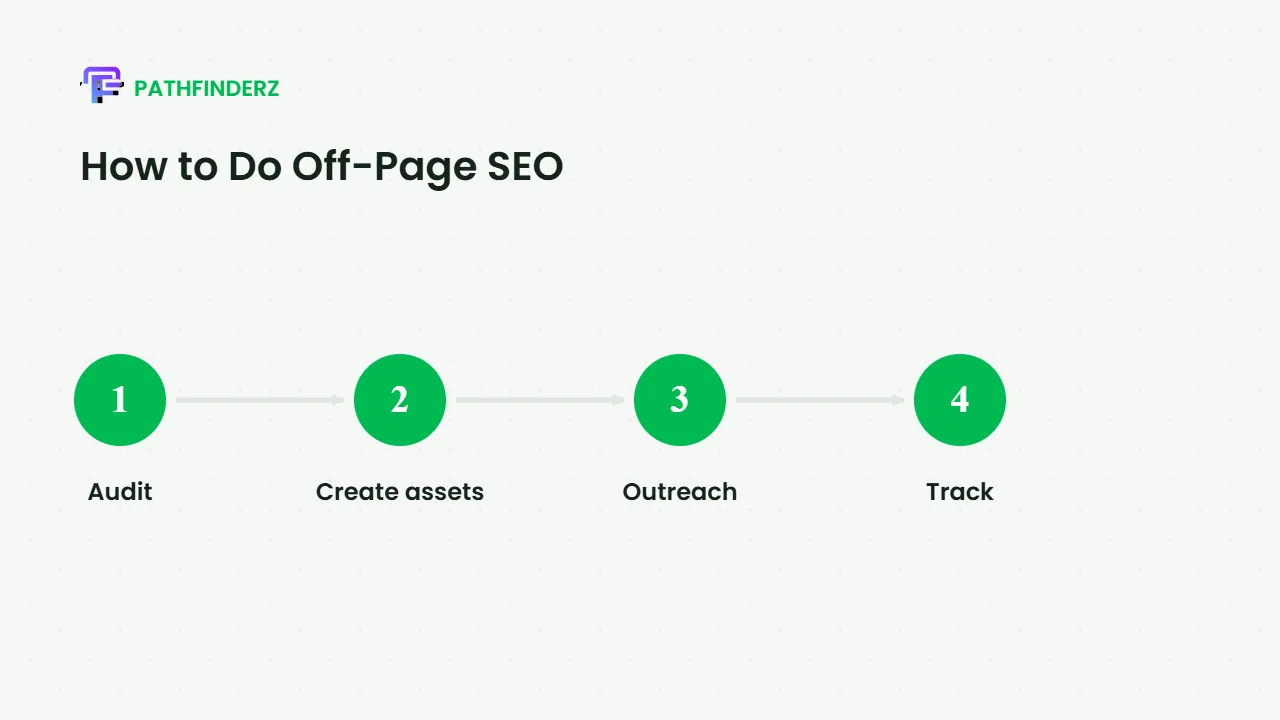
Most guides list tactics but skip the process. Here is a simple off-page SEO strategy you can repeat each month. Follow these steps in order.
- Audit your profile. Check your current backlinks, mentions, and reviews.
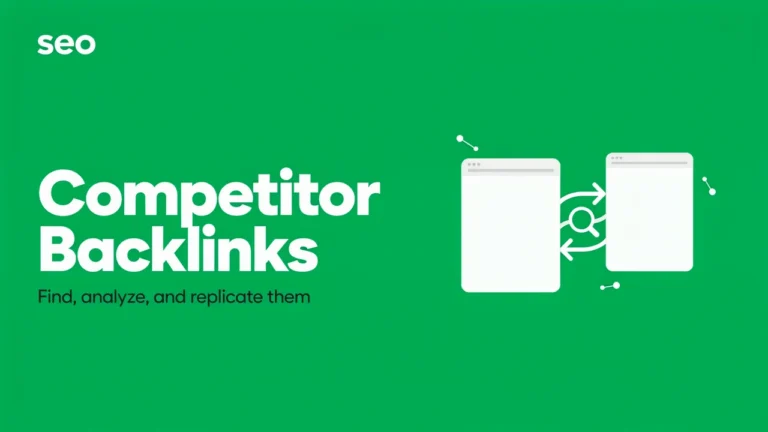
- Study competitors. See where rivals earn links and mentions you lack.
- Create linkable assets. Build guides, data, or tools worth citing.
- Run outreach. Pitch relevant sites with a clear reason to link.
- Build brand signals. Claim your profiles, manage reviews, and stay active.
- Earn press and guest spots. Use digital PR and guest posts for authority links.
- Track and refine. Measure results, then double down on what works.
Start small and stay consistent. Pick two or three tactics you can repeat well. Off-page SEO rewards steady effort over quick bursts.
How to Measure Off-Page SEO
Off-page work is only useful if you track it. These metrics show whether your effort pays off. Check them every month, not every day.
- Referring domains. The count of unique sites linking to you.
- Domain Rating or Authority. A score of your overall link strength.
- Keyword rankings. Where your target pages sit in search.
- Referral traffic. Visitors who arrive through your links.
- Brand mentions. How often the web names your brand.
- Review signals. Your rating count and average score.
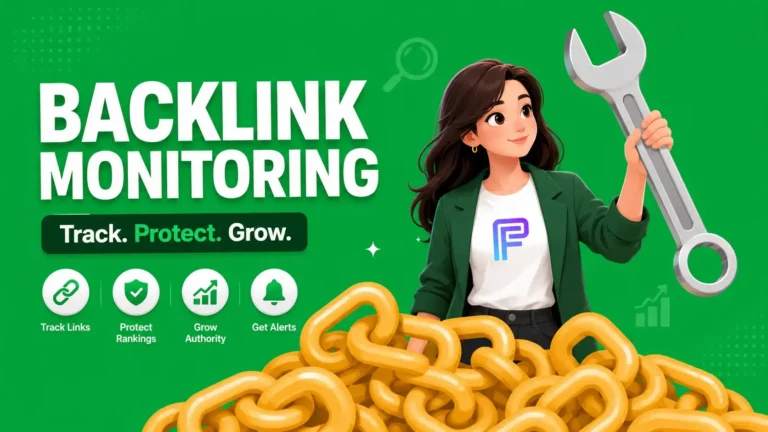
Use Google Search Console for links and traffic. Tools like Ahrefs and Semrush add deeper data. Run backlink monitoring to catch lost or toxic links early.
Frequently Asked Questions
What is off-page SEO in simple words?
Off-page SEO is everything you do outside your site to rank higher. It includes backlinks, brand mentions, reviews, and social signals. These prove your site is trusted and worth ranking.
What is the difference between on-page and off-page SEO?
On-page SEO is work on your own pages, like content and titles. Off-page SEO is signals from outside your site, like links. You control on-page, but you earn off-page.
Is link building the same as off-page SEO?
No. Link building is the biggest part of off-page SEO, but not all of it. Off-page also covers brand mentions, reviews, social, and local signals.
How long does off-page SEO take to work?
Most results show over several months, not days. Links and trust build slowly and compound over time. Consistency matters more than speed.
Conclusion
Off-page SEO is what the rest of the web says about your site. It builds the trust and authority that rankings depend on. Backlinks lead the way, but mentions, reviews, and social all help.
Follow a steady process and track the right metrics. Earn quality links, build real brand signals, and stay consistent. Done well, off-page SEO becomes a lasting edge over your competitors.