What Are Dofollow Backlinks and How They Work in SEO
Dofollow backlinks are the links that most SEO campaigns are quietly built around. They are also one of the most misunderstood terms in link building. Many site owners believe there is a special dofollow tag they need to chase. There is not. A dofollow backlink is simply a normal link that search engines are free to follow and count. That small distinction changes how you approach the entire process of earning links.
This page explains what dofollow backlinks really are, how they differ from nofollow links, and how to earn them safely.
What Is a Dofollow Backlink
A dofollow backlink is a standard hyperlink from one website to another that search engines can crawl and evaluate. It carries no attribute telling search engines to hold back. Because of that, it can pass ranking signals from the linking page to your page.
You will often hear people call this “link equity” or “link juice.” The idea is straightforward. When a trusted site links to yours, some of that trust can flow across the link. Dofollow backlinks are the type of link that allows this transfer to happen.
Every link starts as dofollow by default. A link only stops being dofollow when someone adds a specific rel attribute to it. We will cover those attributes in a moment.
Is Dofollow a Real HTML Tag
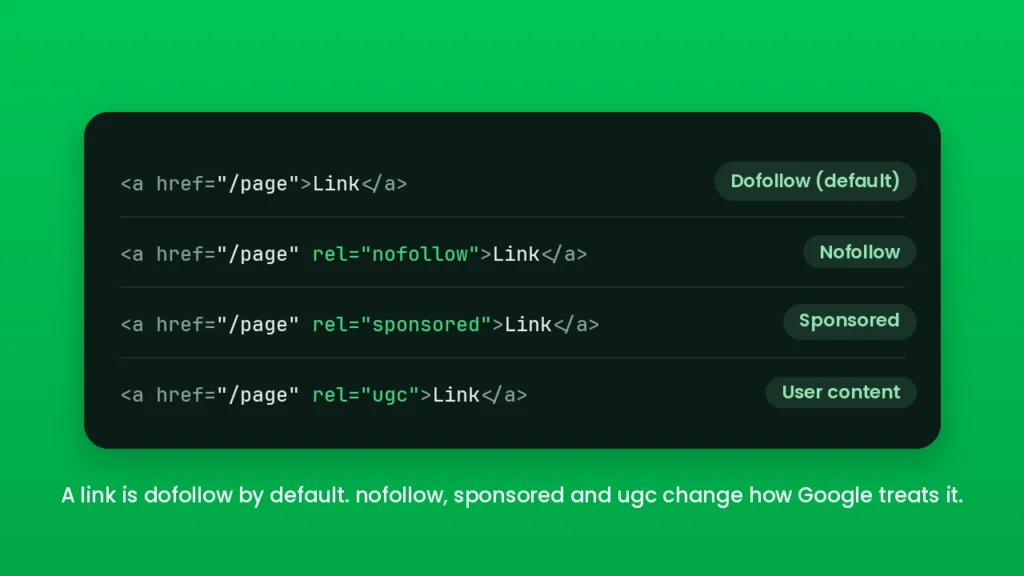
No, and this is where most guides get it wrong. There is no rel="dofollow" attribute in HTML. Search engines do not look for one.
According to Google’s Search Central documentation, regular links that you want Google to fetch and parse need no rel attribute at all. A plain link like this is already dofollow:
<a href="https://example.com">My favorite resource</a>
So when someone says a link is dofollow, they mean it is a normal link with no nofollow, sponsored, or ugc attribute attached. The word describes the default behavior. It is not a tag you add.
Understanding this saves you from a common mistake. You cannot make a link “more dofollow.” You can only decide whether to add an attribute that changes the default.
Dofollow vs Nofollow Backlinks
Dofollow and nofollow links look identical to a normal visitor. The difference sits in the HTML code that search engines read. A nofollow link carries rel="nofollow", which signals that the site does not fully vouch for the target.
Here is a clear comparison of the main link types.
| Link type | HTML attribute | Passes signals | Common use |
|---|---|---|---|
| Dofollow | None | Yes | Editorial links, natural citations |
| Nofollow | rel=”nofollow” | Treated as a hint | Untrusted or unverified links |
| Sponsored | rel=”sponsored” | Not intended to | Paid links, ads, affiliates |
| UGC | rel=”ugc” | Not intended to | Comments, forum posts, profiles |
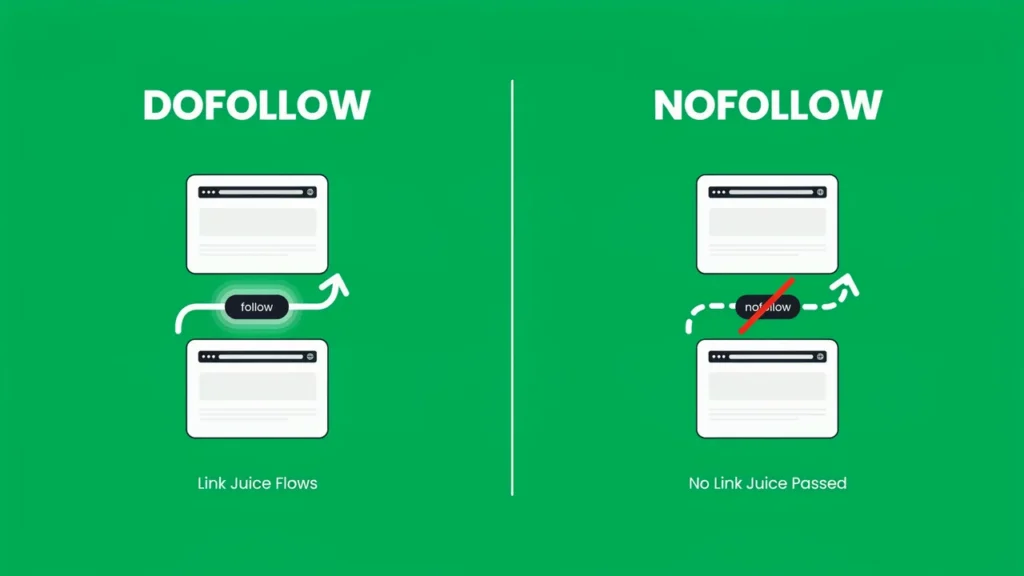
One point deserves attention here. Google changed how it handles nofollow in September 2019. Since then, nofollow, sponsored, and ugc are treated as hints rather than strict commands for ranking. Since March 2020, that same hint model applies to crawling and indexing.
In practice, this means a nofollow link is no longer a guaranteed dead end. Google may still choose to consider it. Even so, dofollow backlinks remain the links that reliably pass value, so they stay the priority for most campaigns.
The Other Link Attributes You Should Know
Nofollow is not the only attribute that turns off the dofollow default. Google introduced two more specific values in 2019, and using the right one matters.
Use rel="sponsored" for any link that exists because of payment. This covers advertisements, paid placements, and affiliate links. Google now prefers sponsored over nofollow for these cases.
Use rel="ugc" for links inside user-generated content. Blog comments, forum threads, and user profiles fall into this group. It tells Google the site owner did not add the link as an editorial choice.
Getting these attributes right protects your site. Paid links that pass signals without a sponsored or nofollow tag break Google’s guidelines. That can cost you rankings.
How Dofollow Backlinks Affect Your SEO
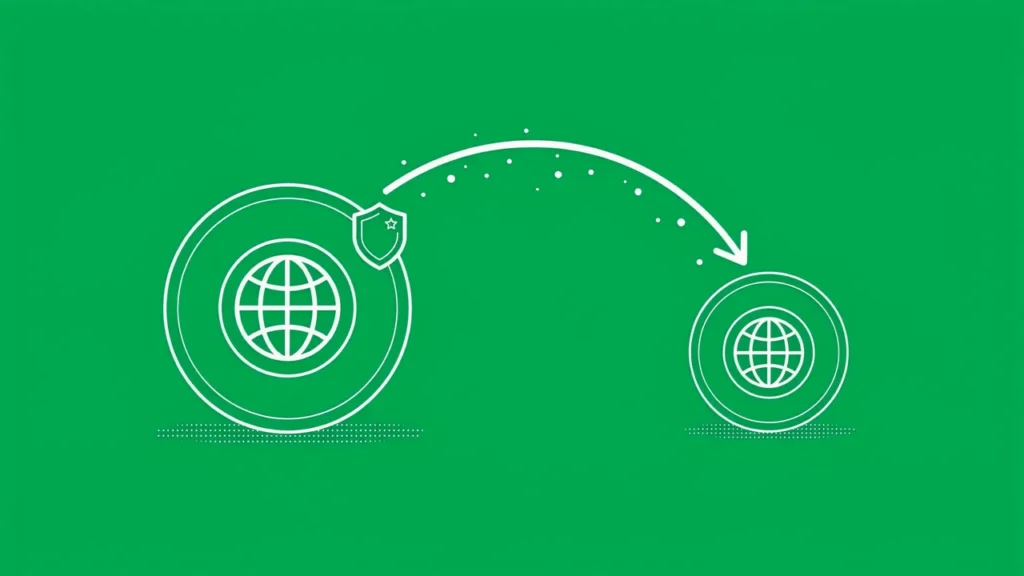
Dofollow backlinks influence your site in three practical ways. Each one matters, and none of them work in isolation.
Ranking Signals
When a reputable site gives you a dofollow link, it can pass authority to your page. Pages that earn links from strong, relevant sites tend to compete better in search results. The quality of the linking site matters far more than the raw number of links.
Crawling and Discovery
Search engine bots follow dofollow links to find new pages. A dofollow backlink from a frequently crawled site can help Google discover and index your content faster. This is a quieter benefit that people often overlook.
Referral Traffic
Links are not only for search engines. A dofollow backlink placed on a relevant, high-traffic page can send real visitors to your site. That traffic often converts better because the audience already trusts the source.
Types of Dofollow Backlinks
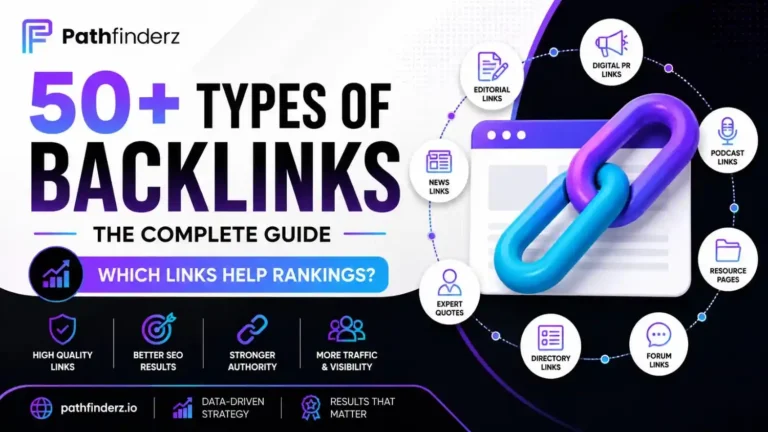
Not all dofollow backlinks are equal. The source and placement decide how much a link is actually worth. These are the main types you will come across.
Editorial and Contextual Links
These sit inside the body of an article, surrounded by relevant text. They are earned because a writer chose to cite you. This is the strongest and most durable type of dofollow backlink.
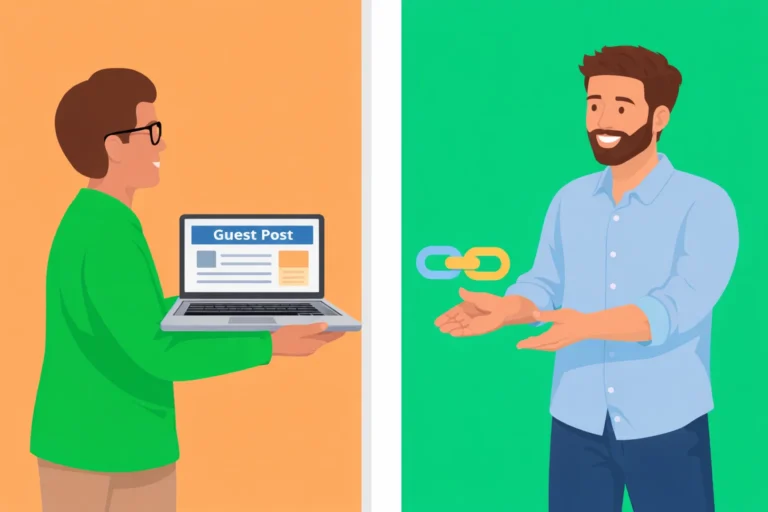
Guest Post Links
A guest post can carry a dofollow link in the content or author bio. The value depends on the site’s relevance and quality. A link from a real, topical publication beats a generic one every time.
.edu and .gov Links
Many people chase .edu and .gov dofollow backlinks, believing the domain alone gives a boost. Google has said links are judged on merit, not on the domain ending. A link from a relevant, authoritative page helps, whatever its extension.
Profile, Comment, and Forum Links
Links from profiles, blog comments, and forum posts are easy to create, so they carry little weight. Many are nofollow or marked as ugc by default. Used at scale, they can look manipulative rather than natural.
How to Get High-Quality Dofollow Backlinks
Earning dofollow backlinks is about being worth linking to, then making the right people aware of your content. The methods below work when done with patience and relevance.
- Create genuinely useful assets. Original data, tools, and in-depth guides earn links because other writers want to cite them.
- Do targeted outreach. Find pages that already link to similar content, then show them why yours deserves a mention.
- Publish guest content on relevant sites. A well-placed editorial link on a topical site carries real weight.
- Use digital PR. Studies, surveys, and expert commentary attract links from news sites and industry blogs.
- Reclaim unlinked mentions. When a site mentions your brand without linking, a short email can turn it into a dofollow backlink.
Relevance beats volume every time. Ten dofollow backlinks from sites in your niche will usually outperform a hundred random links. This is the core of the contextual link building approach we use with clients.
Dofollow Backlinks That Can Hurt You
Not every dofollow backlink helps. Some can actively damage your rankings, and this is the part cheap link lists never mention.
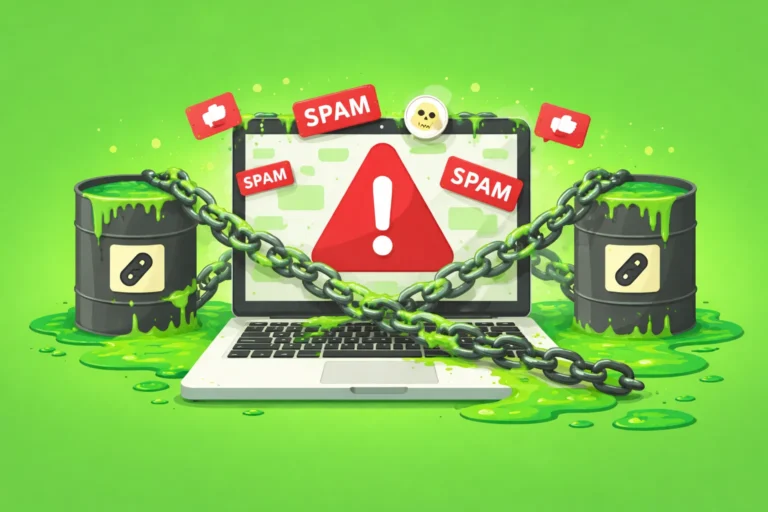
Google’s spam policies target link schemes and manipulative practices. Buying dofollow links in bulk, mass directory submissions, and low-quality private blog networks all fit that pattern. These spammy links can trigger a manual action or a quiet drop in visibility.
Warning signs to avoid include links from irrelevant sites, exact-match anchor text used at scale, and any service promising thousands of dofollow backlinks overnight. A natural backlink profile grows over time and includes a healthy mix of dofollow and nofollow links.
Frequently Asked Questions
Are dofollow backlinks better than nofollow backlinks?
For passing ranking signals, yes. Dofollow backlinks are the links that reliably transfer authority. A natural profile still needs both types, since an all-dofollow pattern can look manipulative.
How many dofollow backlinks do I need to rank?
There is no fixed number. Relevance, authority, and content quality matter more than a target count. A few strong dofollow links often beat dozens of weak ones.
Can I add a rel=”dofollow” tag to my links?
No. That attribute does not exist. Links are dofollow by default, so you simply leave off any nofollow, sponsored, or ugc value.
Do nofollow links have any value now?
They can. Since 2019, Google treats nofollow as a hint, so it may still consider these links. They also drive referral traffic and keep your profile looking natural.
Building a Dofollow Backlink Profile That Lasts
Dofollow backlinks remain one of the most dependable signals in SEO, but only when they are earned from relevant, trustworthy sources. The goal is never to collect the largest pile of links. It is to build a backlink profile that reflects real endorsements from real sites.
Focus on creating content worth citing, target sites that match your niche, and use the correct link attributes across your own pages. Handled this way, dofollow backlinks support your rankings for years rather than putting them at risk.
If you want a link building campaign built on this exact standard, Pathfinderz can help you earn dofollow backlinks that hold up.